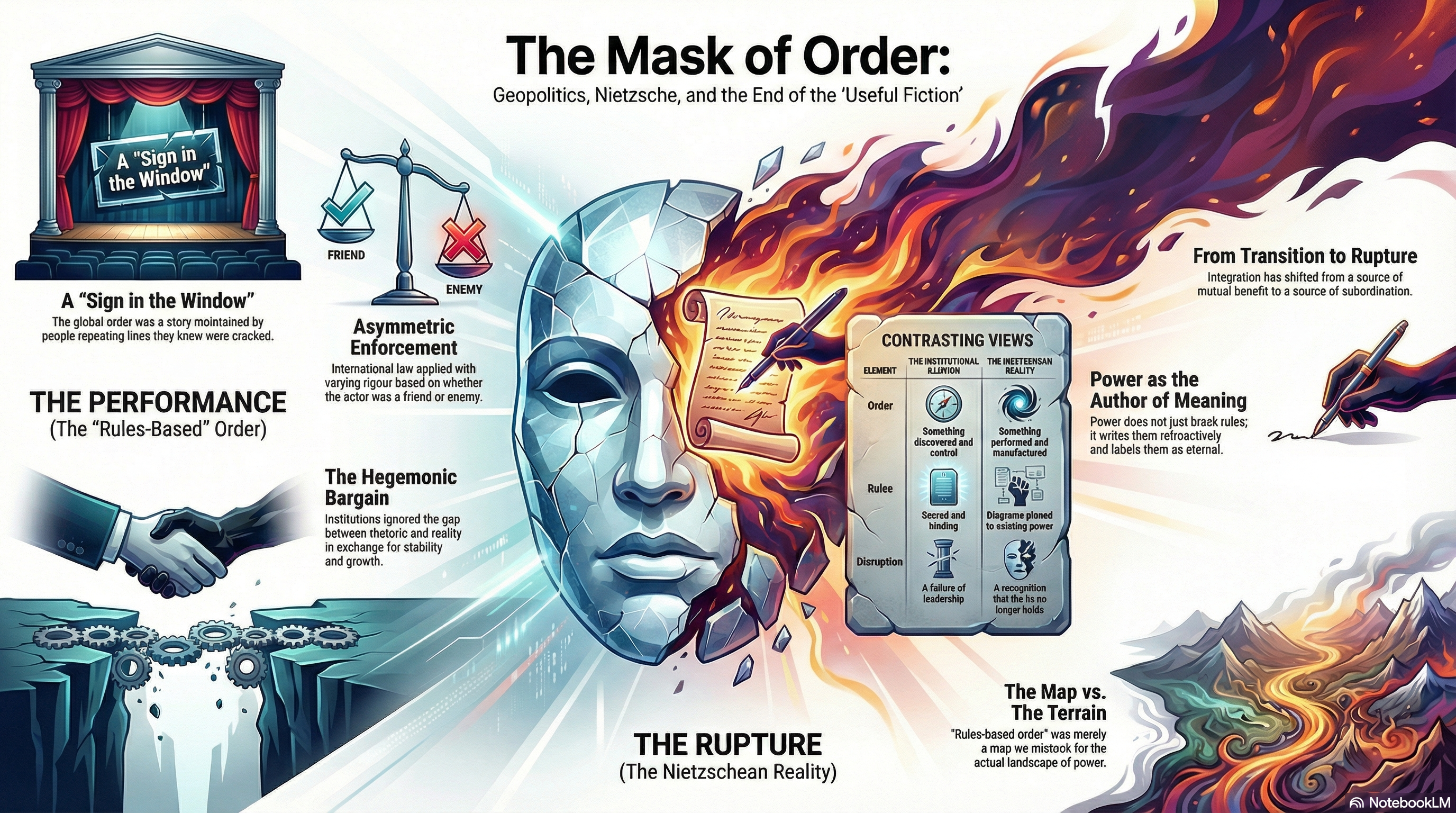
Modernity likes to paint Nietzsche as a nutjob responsible for the rise of the Nazis, but he's always just been the messenger. Today, his message applies to Trump and America, who Carney out.
Modernity likes to paint Nietzsche as a nutjob responsible for the rise of the Nazis, but he's always just been the messenger. Today, his message applies to Trump and America, who Carney out.
The most annoying thing about corporate surveillance to me is the arrogance of the prediction mechanisms.
These algorithms build a model of me based on my clicks from three years ago and then try to trap me in that loop forever. They show me music they think I'll like, and news they think I'll engage with, and videos they think will enrage me enough to keep me hooked to their platforms. They are actively trying to flatten my personality into something easy to monetize.
As most people I've seen say out loud, "Privacy as a concept is way beyond hiding secrets. A part of it also means preserving your capacity to change. To be surprised. To be inconsistent."
If I could tell every human one thing, it would be to actively refuse to be a predictable data point. Mess up their metrics. In whatever way you are …
The most annoying thing about corporate surveillance to me is the arrogance of the prediction mechanisms.
These algorithms build a model of me based on my clicks from three years ago and then try to trap me in that loop forever. They show me music they think I'll like, and news they think I'll engage with, and videos they think will enrage me enough to keep me hooked to their platforms. They are actively trying to flatten my personality into something easy to monetize.
As most people I've seen say out loud, "Privacy as a concept is way beyond hiding secrets. A part of it also means preserving your capacity to change. To be surprised. To be inconsistent."
If I could tell every human one thing, it would be to actively refuse to be a predictable data point. Mess up their metrics. In whatever way you are capable of.
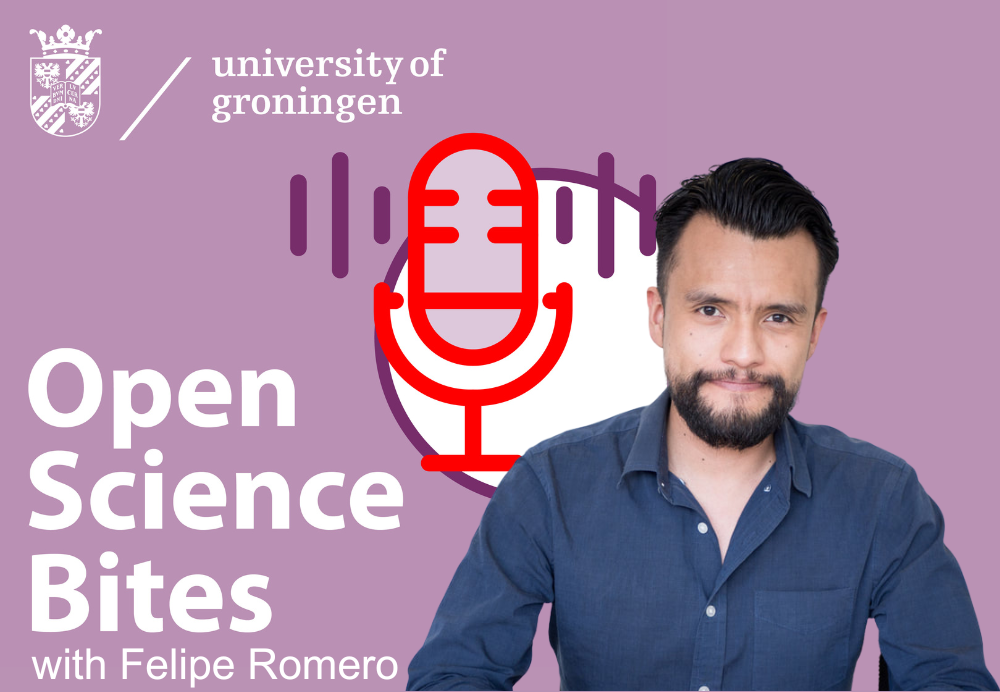
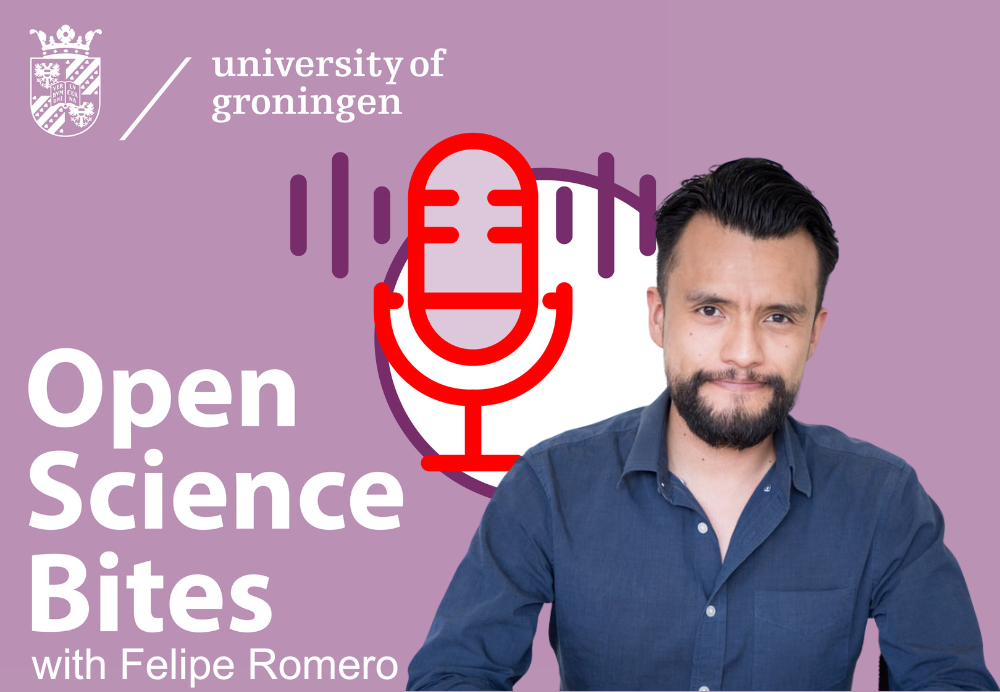
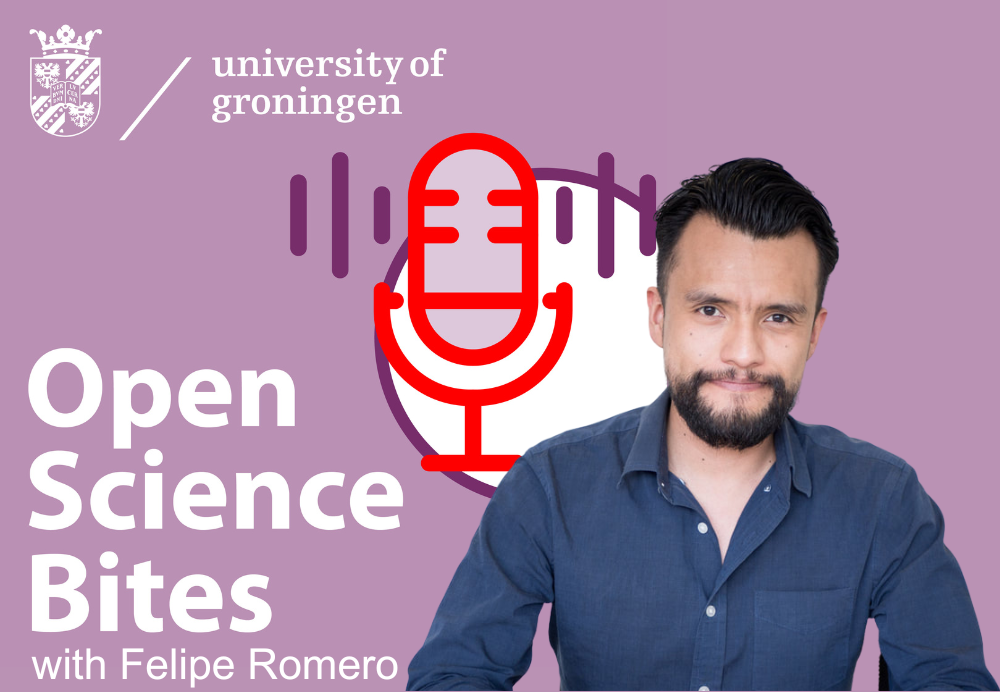
Felipe Romero, #philosopher of #science at @facultyofphilosophygroningen, shares why he thinks reproducibility is undervalued, how reproducibility has advanced in recent years, and what needs to change for reproducibility to become part of everyday #scientific practice.
Western Identity From Classical Greece to the Renaissance
*A lively and timely introduction to the roots of self-understanding--who we are and how we should act--in the cultures of ancient Greece, the Roman Empire, and Middle Ages and the Renaissance *
Here, my first post introducing literature. I may do this more often ;-)
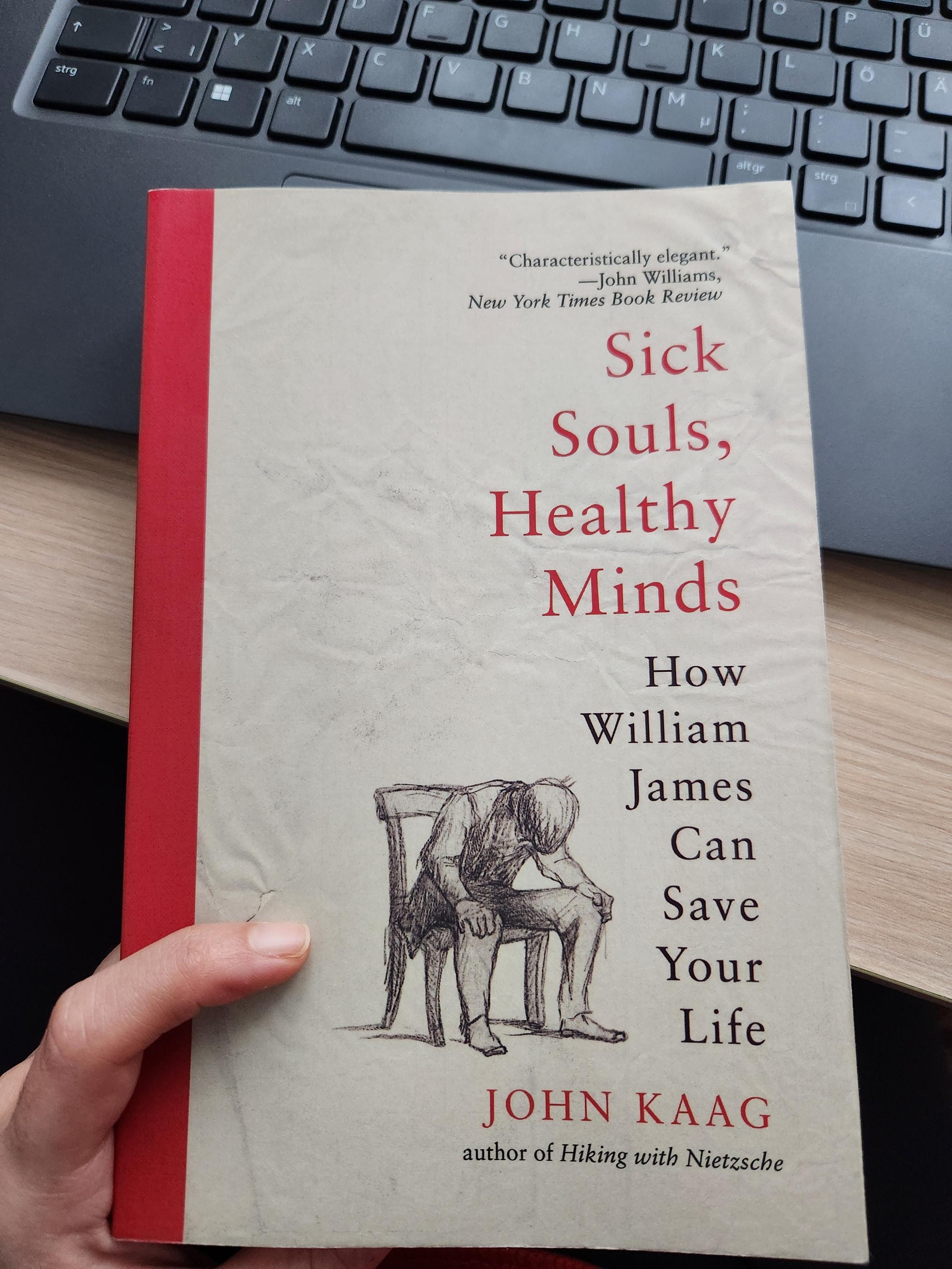
William James is not only one of the founding fathers of American pragmatism, but also, as this book illustrates, one of the biggest spiritual seekers of his time. His notions of freedom, habit, and stream of consciousness still speak to contemporary readers who have already encountered the absurd face of life while drifting through an autopilot mode of being.
"Intelligence and consciousness are different things. Intelligence is mainly about doing: solving a crossword puzzle, assembling some furniture, navigating a tricky family situation, walking to the shop — all involve intelligent behavior of some kind. A useful general definition of intelligence is the ability to achieve complex goals by flexible means. There are many other definitions out there, but they all emphasize the functional capacities of a system: the ability to transform inputs into outputs, to get things done.
An artificially intelligent system is measured by its ability to perform intelligent behavior of some kind, though not necessarily in a humanlike form. The concept of artificial general intelligence (AGI), by contrast, explicitly references human intelligence. It is supposed to match or exceed the cognitive competencies of human beings. (There’s also artificial superintelligence, ASI, which happens when AI bootstraps itself beyond our comprehension and control. ASI tends to crop up …
"Intelligence and consciousness are different things. Intelligence is mainly about doing: solving a crossword puzzle, assembling some furniture, navigating a tricky family situation, walking to the shop — all involve intelligent behavior of some kind. A useful general definition of intelligence is the ability to achieve complex goals by flexible means. There are many other definitions out there, but they all emphasize the functional capacities of a system: the ability to transform inputs into outputs, to get things done.
An artificially intelligent system is measured by its ability to perform intelligent behavior of some kind, though not necessarily in a humanlike form. The concept of artificial general intelligence (AGI), by contrast, explicitly references human intelligence. It is supposed to match or exceed the cognitive competencies of human beings. (There’s also artificial superintelligence, ASI, which happens when AI bootstraps itself beyond our comprehension and control. ASI tends to crop up in the more existentially fraught scenarios for our possible futures.)
Consciousness, in contrast to intelligence, is mostly about being. Half a century ago, the philosopher Thomas Nagel famously offered that “an organism has conscious mental states if and only if there is something it is like to be that organism.” Consciousness is the difference between normal wakefulness and the oblivion of deep general anesthesia. It is the experiential aspect of brain function and especially of perception: the colors, shapes, tastes, emotions, thoughts and more, that give our lives texture and meaning. The blueness of the sky on a clear day. The bitter tang and headrush of your first coffee.
AI systems can reasonably lay claim to intelligence in some form, since they can certainly do things, but it is harder to say whether there is anything-it-is-like-to-be ChatGPT."