#gardening

See tagged statuses in the local BookWyrm community

Hi Fediverse! I’m a transplant living in Stavanger, for the past 10 years. You’ll find me sharing my favorite adventures, recipes (yes, I jumped in with those first!), and life abroad.

Keeping up with everything going on back in the States has been challenging—and explaining it to folks here, where I’m often the default explainer, is even trickier! So I cast a wide net for input on this- let’s see what u got!

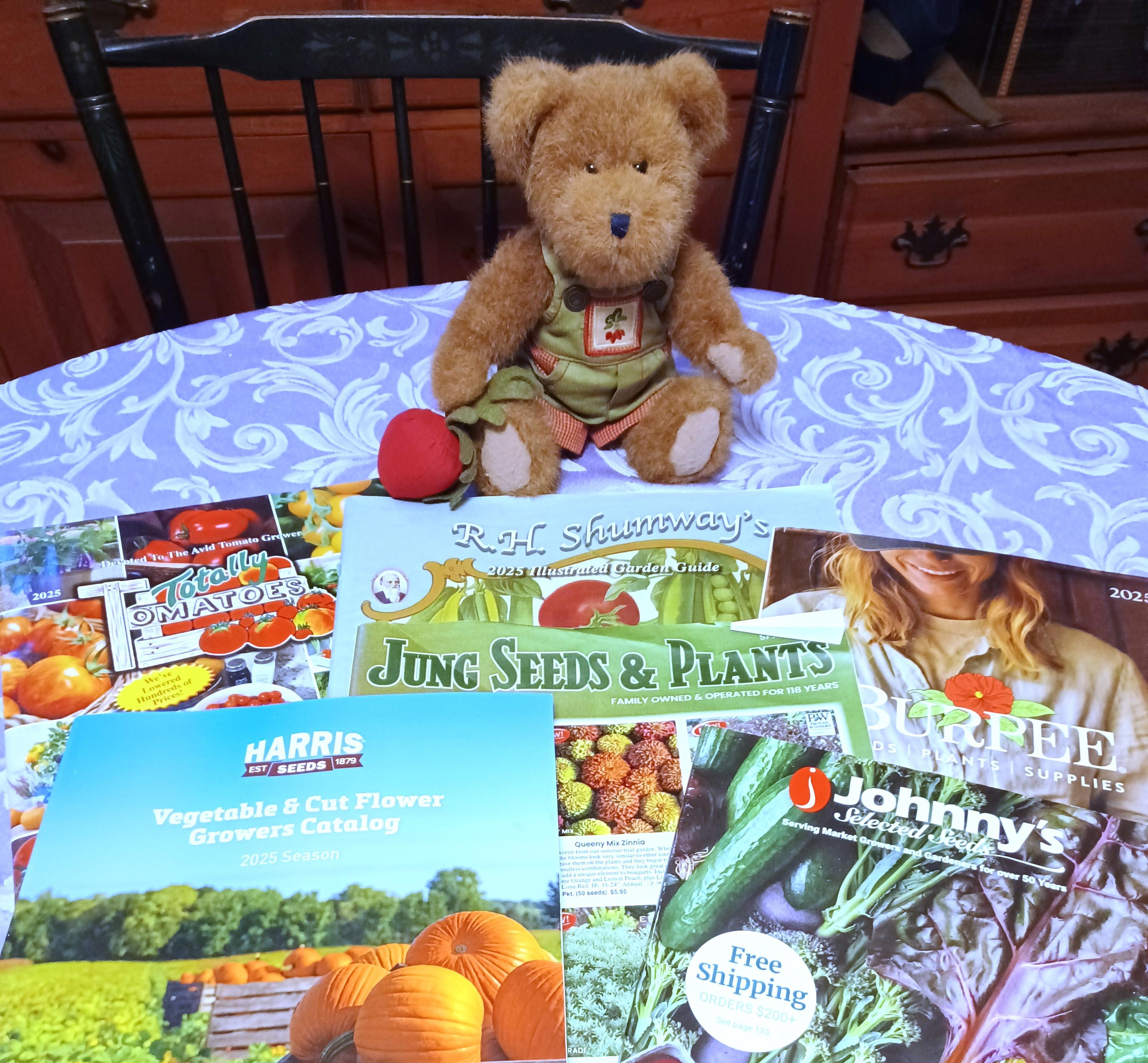
Here we go! BeetBear has made his selections and had me place the orders and now we wait for the 2026 seeds to arrive. Harris and Johnny's got all our money this year. (Yes, I know there are horrible things going on in the world, but BeetBear and I want to focus on what positive things we can accomplish here in our own neighborhood, so it's gardening for us!)


🌺 There's still time to add a 2026 resolution or two to support nature and wildlife. 🐦‍⬛ You can make a big impact with small actions.

Here's a list that you can scan through to find any resolutions appropriate and do-able for your situation.

These are some of mine. I will report progress here through the year:
✅ Plant 25 new native flowers (within tight budget)
✅ Provide nesting habitat for pollinators
✅ Leave the leaves and save the stems
✅ Execute a long-term social media campaign for invertebrates
✅ Share Xerces resources and conservation tips with 24 friends (done!😆)

https://xerces.org/blog/new-years-resolutions-for-nature-and-wildlife

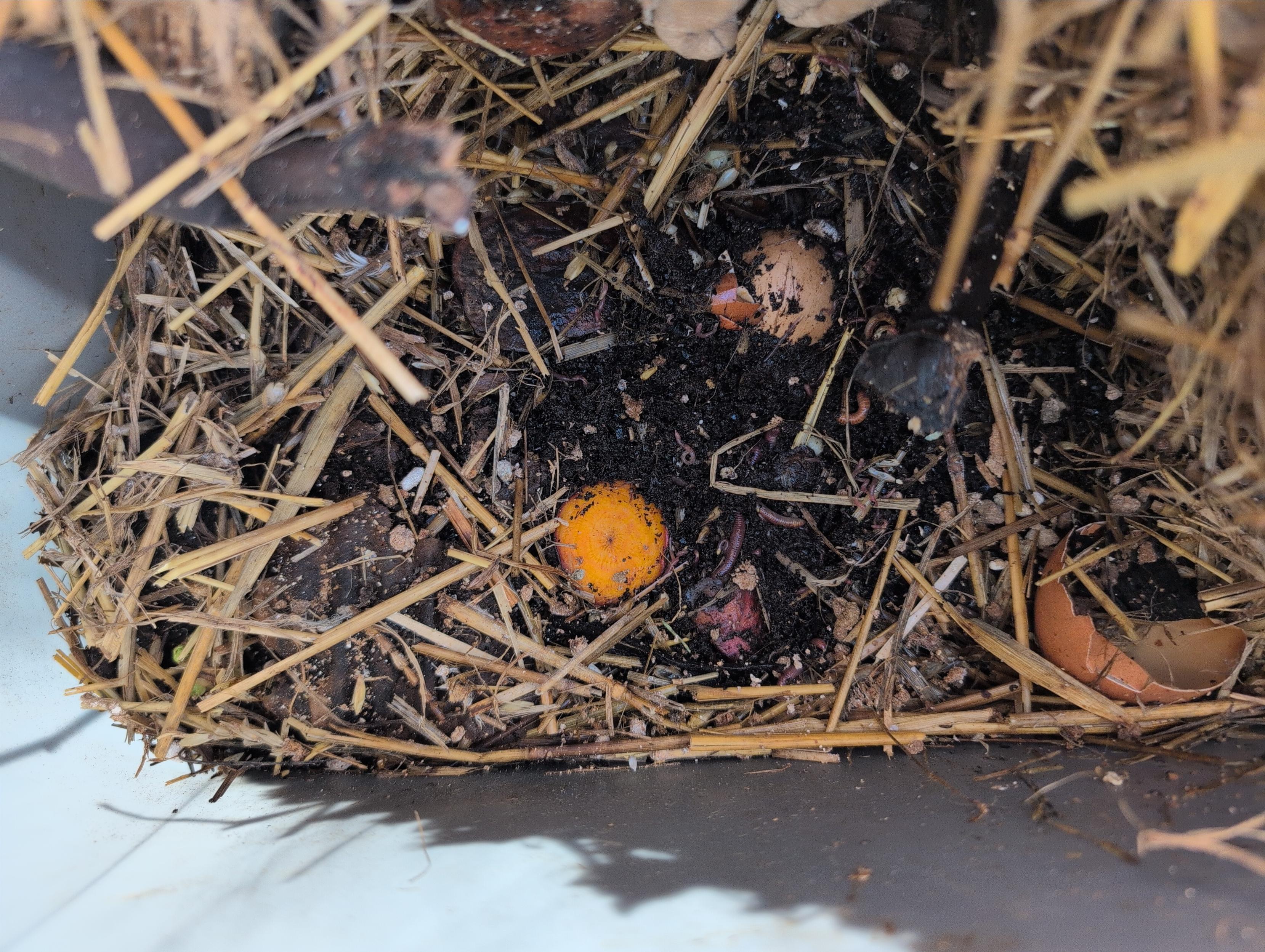
Vermicomposting through winter.

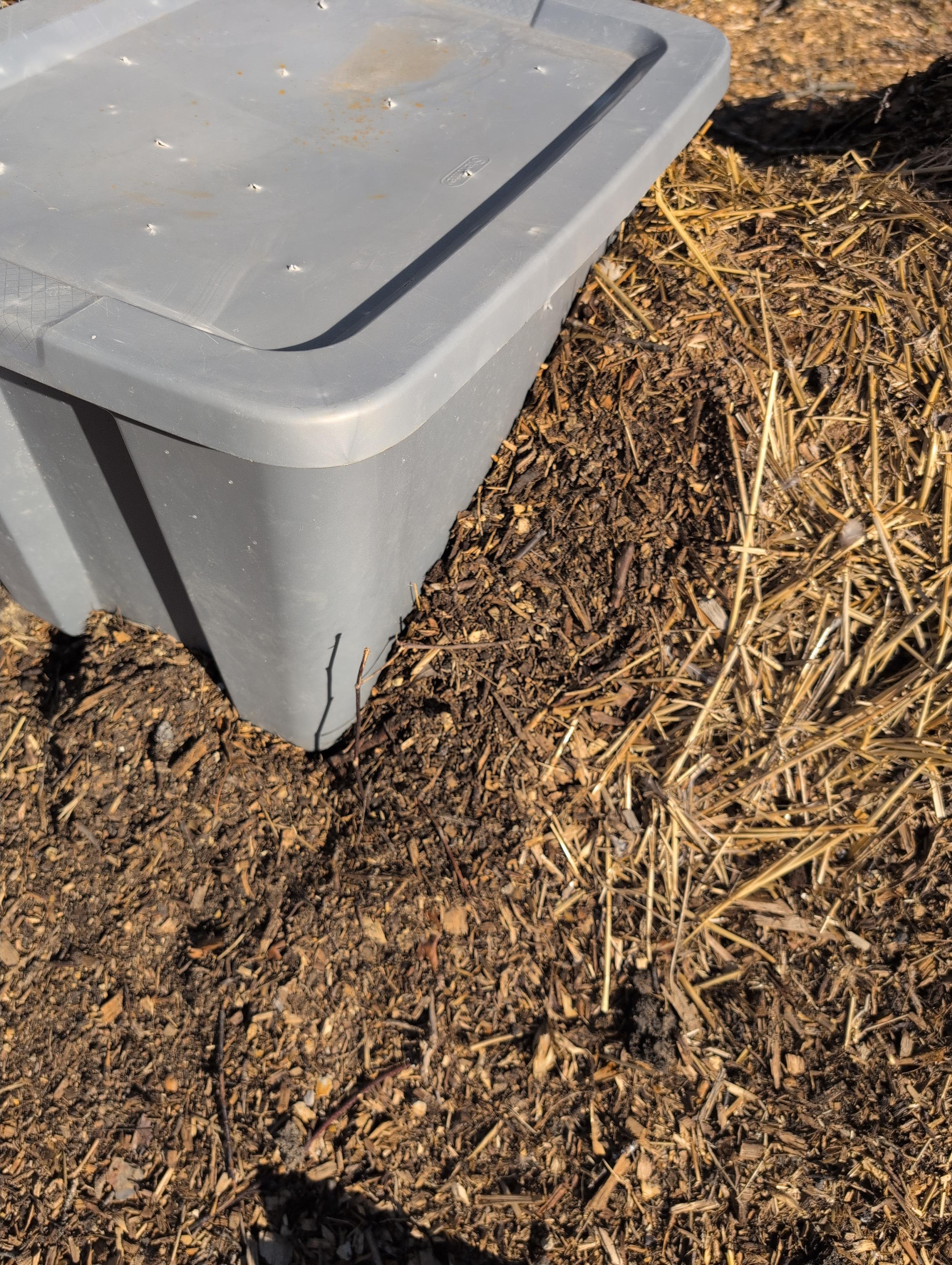
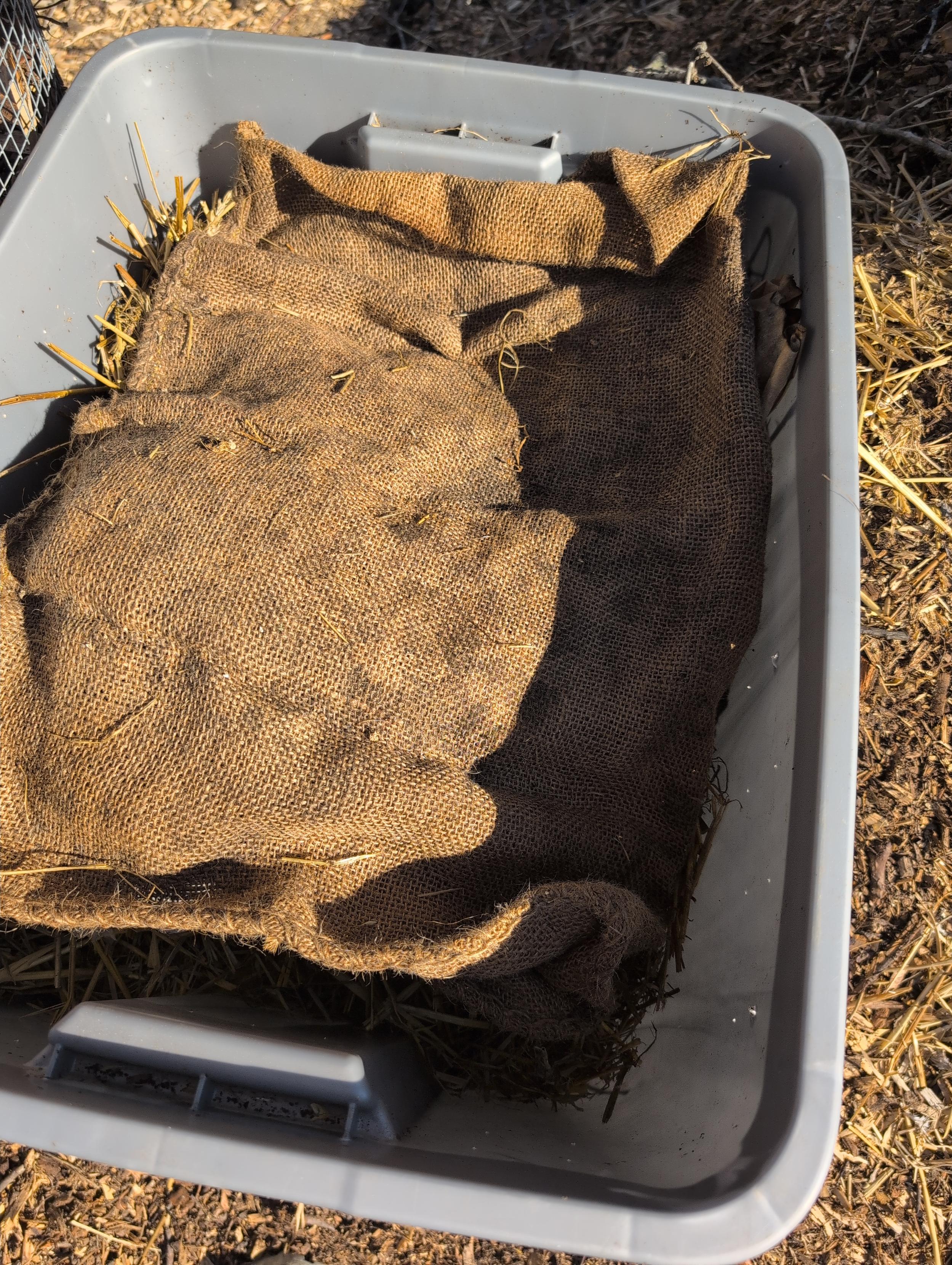
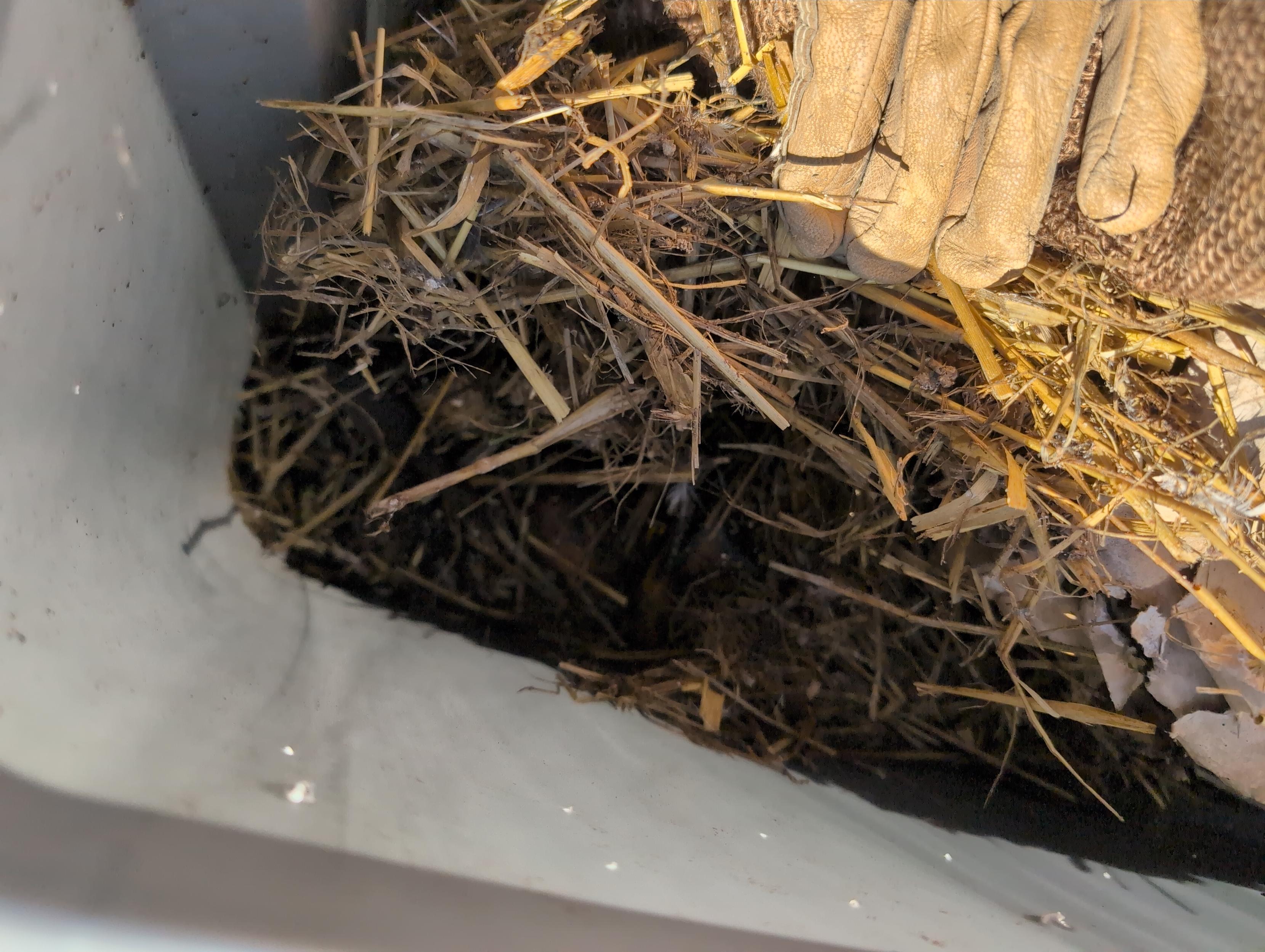
Our worm bin is a 15 gallon tote with small holes drilled in the bottom for drainage and sides and top for air flow. The worms and their bedding are then covered with a thick mat of old straw from the quail pen and a blanket of burlap on top of that. We add food scraps as they need them. The bin has been tucked into the edge of our primary compost pile which has remained around 40-45 degrees Fahrenheit throughout winter. We have had evening lows at or below 5 degrees Fahrenheit and the worms are still active, eating, and hatching. More details are included in the image alt tags.

I hope this helps someone who is wondering how vermicomposting can be done in the colder months without having to move the bin into a conditioned space.

I’m looking for a vacuum sealer for jars and can’t find much information in the way of reviews. They seem to be a mixed bag in terms of performance. I want one that works for Mason and Agee style lids and would be happy to try a hand pump or electric version, as long as it works. I don’t have the budget to splash out hundreds on the kind people use to sous vide, this is really to provide longevity for the garden harvest that I dehydrate. Even with little silica gel sachets, without a good seal I find shelf life is currently limited. I would love to hear any recommendations from anyone who has had success.

I just remembered the time my sister, who is the consummate gardener, told me she had read John le Carré's 'The Constant Gardener' and told me, "I didn't like that book at all." 😆

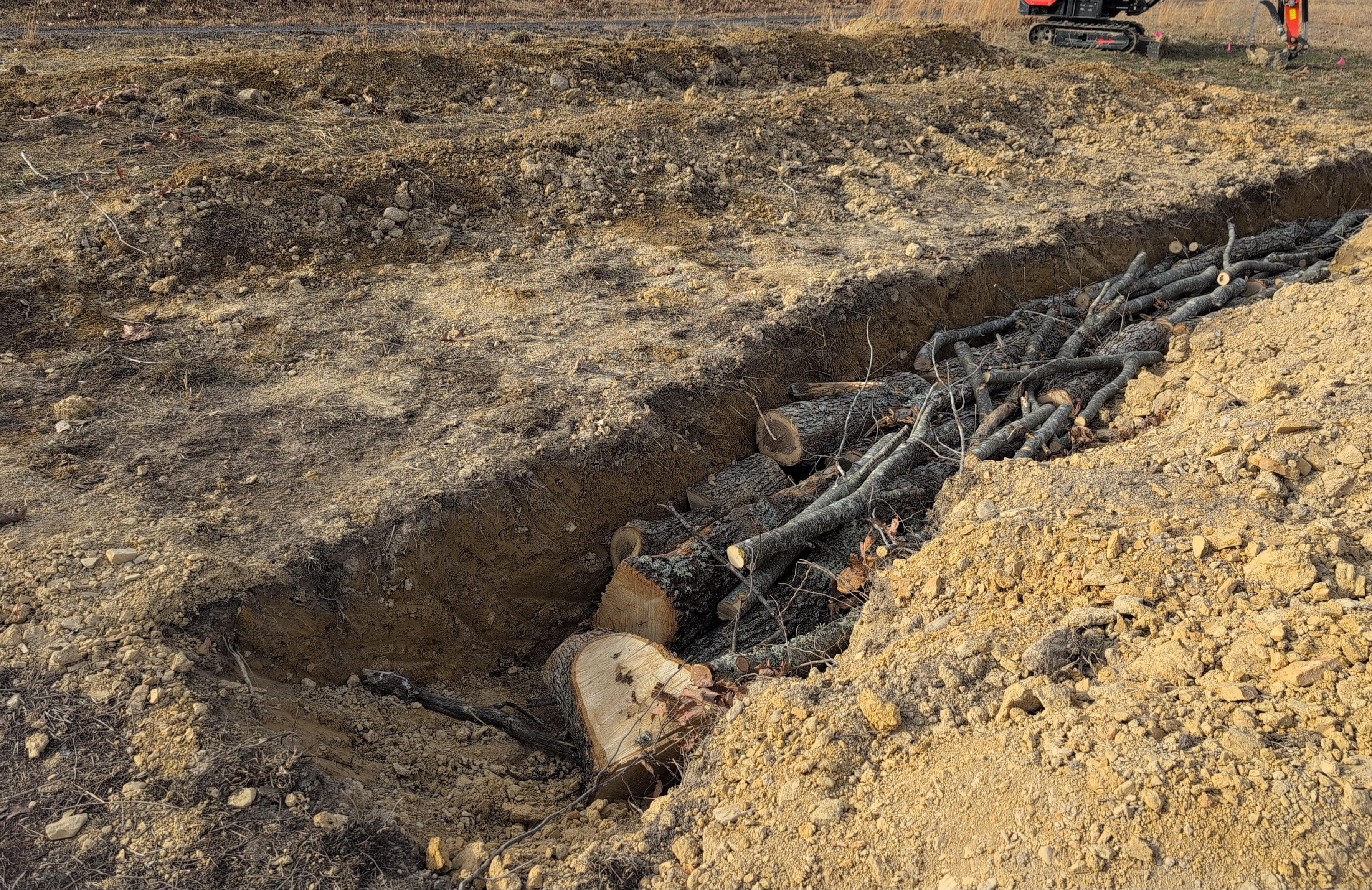
The three new hugelkultur beds in progress: They're built on contour and mostly filled with oak (it's what we have a lot of). Two are filled and covered and I've just begun shaping and amending the soil. I've added wood ash since the pH is pretty low and am going to add Redmond minerals, homemade compost (which was made with a focus on mycelium growth), and aged manure. Some of which I will wait until spring to add so the microbiology is awake and ready to get to action. Two of the beds will be planted with Asparagus and june-bearing Strawberries and the third will be my apothecary space. Most of what will be planted will be perennial so the first year the plants will put their energy into growing roots. This means I can fill in around these perennials with oodles of annuals and really utilize as much of …