[German below]
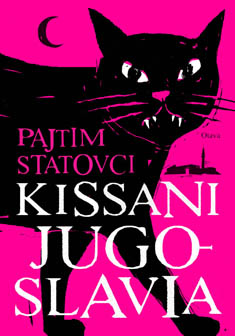
I especially recommend My Cat Yugoslavia if …
1. … you don’t just read light fiction but also enjoy “working” with a book.
Don’t get me wrong: you can absolutely read this book “just like that.” It’s brilliantly written (and, consequently, masterfully translated) and cleverly plotted. It pulls you in quickly. It tackles heavy and familiar themes in a fresh, artful way. (See also point 2.)
2. … you can handle the following content notes (which, unfortunately, aren’t included in the book itself). It’s important to emphasize that these topics neither take center stage nor dominate the narrative. But they are present: strong sexism, misogyny, sexual violence, domestic violence, war themes, displacement, racism, toxic romantic relationships, and internalized homophobia. There’s one more I can’t mention because it’s a spoiler. The way these themes are told—often not in full, direct force—made them manageable for me.
3. … you pick it up again at the right moment and revisit key passages after your first read.
Here’s the crucial part: the title refers to a cat. Cats and snakes are key motifs that carry essential themes and likely won’t be fully decoded on the first read. By going back, you’ll notice the italicized lines more consciously and can better connect and interpret them in hindsight.
I discussed this book with my queer-feminist book club. We dove deep into the story, exploring different striking passages and interpretations, eventually deciphering and interpreting the two animal motifs. The fictional biographies presented remain tough, but engaging with this piece of brilliant literature in our book club made me really happy.
Das ist eine starke Buchempfehlung, an die drei „wenns“ geknüpft sind.
Ich empfehle dir „Meine Katze Jugoslawien“ ganz besonders, wenn …
1. du nicht nur Unterhaltungsliteratur liest, sondern es auch magst, mal mit einem Buch zu „arbeiten“. Don‘t get me wrong: Du kannst dieses Buch durchaus „einfach so“ lesen. Es ist absolut fabelhaft geschrieben (und folglich meisterinnenlich übersetzt) und geplottet. Es zieht dich schnell rein. Es behandelt schwere und bekannte Themen auf eine neue, kunstvolle Weise. (Siehe auch Punkt 2).
2. du mit den folgenden CN umgehen kannst (die leider nicht im Buch selbst stehen), die aber, das ist mir sehr wichtig zu betonen, weder im Vordergrund stehen, noch den überwiegenden Raum einnehmen. Aber sie kommen vor: Starker Sexismus, Misogynie, sexuelle Gewalt, familiäre Gewalt, Kriegsthemen, Flucht, Rassismus, toxische Liebesbeziehungen, internalisierte Homofeindlichkeit. Eines, das mir noch einfällt, kann ich nicht nennen, weil Spoiler. Dadurch, wie diese Themen erzählt werden (meist nicht mit voller Wucht direkt), waren sie für mich gut zu handeln.
3. du nach dem ersten Lesen zu einem passenden Zeitpunkt noch mal von vorne anfängst und dir wichtige Stellen noch mal genauer anschaust. Denn hier kommen wir zum Entscheidenden: Titelgebend ist eine Katze. Katzen und Schlangen sind wichtige Motive, die wesentliche Themen transportieren und wahrscheinlich nicht beim ersten Lesen entschlüsselt werden werden. Wenn du dir die Stellen noch einmal anschaust, entdeckst du bewusster die kursiven Zeilen und kannst sie dann rückblickend zuordnen und interpretieren.
Ich habe dieses Buch mit meinem queerfeministischen Lesekreis besprochen. Wir haben uns über unterschiedliche markante Stellen und Lesarten immer tiefer in das Buch förmlich rein gelegt und am Ende auch die beiden Tier-Motive dechiffriert / interpretiert. Die vorgestellten fiktionalen Biografien bleiben hart. Aber der Umgang mit diesem Stück großartiger Literatur im Lesekreis, hat mich sehr glücklich gemacht.