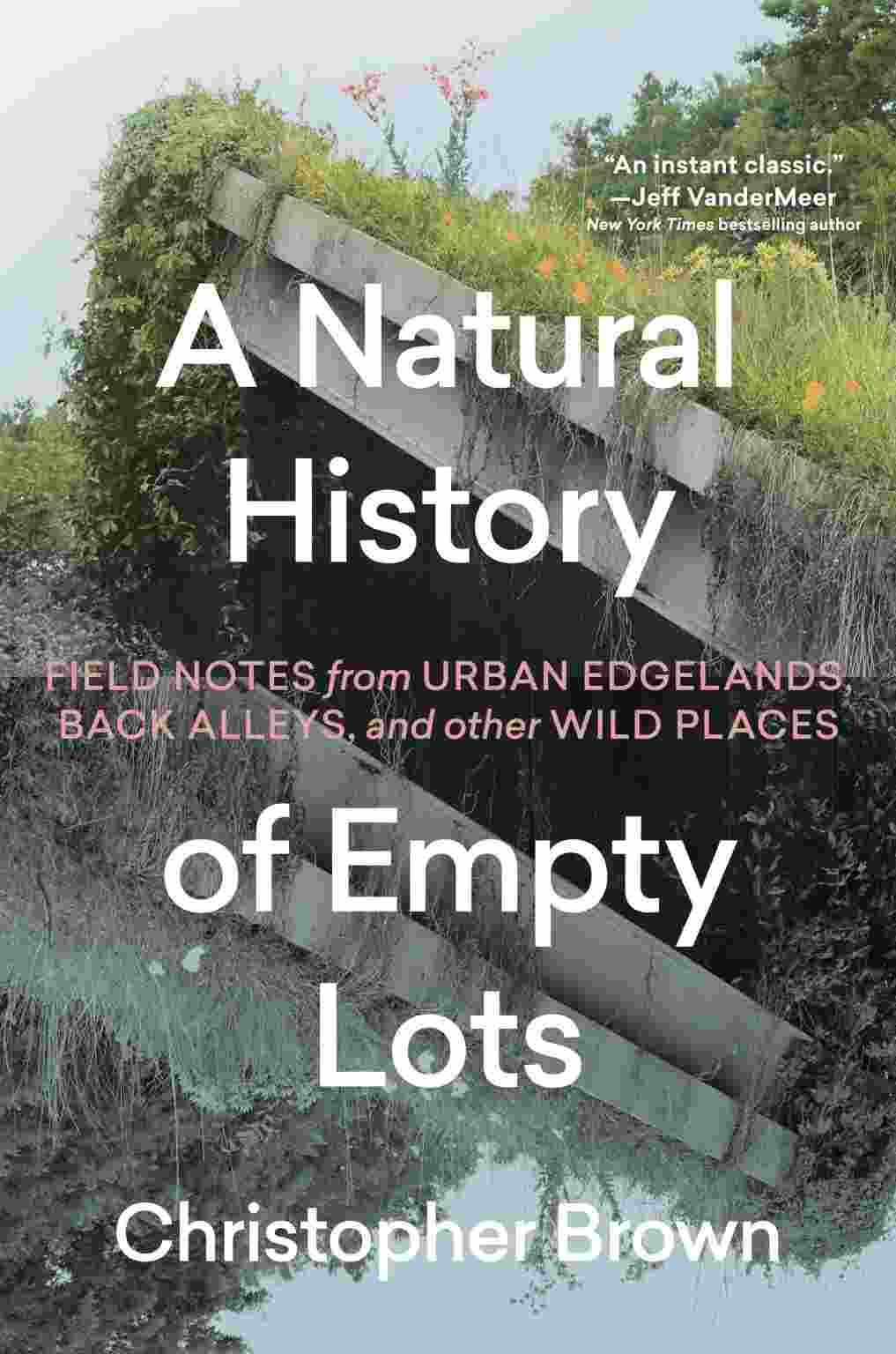
During the real estate crash of the late 2000s, Christopher Brown purchased an empty lot …
Ehhh?
3 stars
It's...hrmm
I don't know
I think this is a book for drivers. I mean people who never walk places, never have stared out a bus window, who are used to going from home to business or park without any other experience of the outside world.
I think if you're that kind of person this might be really really good in terms of opening your eyes to a lot of things
But, but, this book felt weirdly unedited too because there were so many parts that, like I said earlier, made me go "didn't I already read this part??" and no it's just that he repeats himself A Lot
and the book itself feels very meandering like it was a series of blog posts not really meant to be read as a book but rather just a bunch of loosely themed diary-in-retrospect entries
It's...hrmm
I don't know
I think this is a book for drivers. I mean people who never walk places, never have stared out a bus window, who are used to going from home to business or park without any other experience of the outside world.
I think if you're that kind of person this might be really really good in terms of opening your eyes to a lot of things
But, but, this book felt weirdly unedited too because there were so many parts that, like I said earlier, made me go "didn't I already read this part??" and no it's just that he repeats himself A Lot
and the book itself feels very meandering like it was a series of blog posts not really meant to be read as a book but rather just a bunch of loosely themed diary-in-retrospect entries
During the real estate crash of the late 2000s, Christopher Brown purchased an empty lot …
I feel bad that I think there's interesting bits of this book but a lot of it is just is just a miss for me, it feels very unedited and repetitive where I keep finding myself reading a sentence and thinking "wait, I already read this part...no it's just almost the identical text"
I feel bad that I think there's interesting bits of this book but a lot of it is just is just a miss for me, it feels very unedited and repetitive where I keep finding myself reading a sentence and thinking "wait, I already read this part...no it's just almost the identical text"
Honestly just a really fun series. I'm very amused that the author only started turning up the dial labeled homosexuality at the end of the second book but kept turning it up til by the end the two leads are kissing on board the ship while both looking like young men
yes technically deryn "is a girl" but by the end of the third book subtext becomes text that she has no plans in the foreseeable future of being seen as a woman by anyone if she can help it and that alek is attracted to her not in spite, but perhaps because, she passes as a tall muscular young man easily
Also honestly I respect building your sci-fi alt history around a "okay what if the way the early 20th century goes the armenian genocide and the rise of the nazis never has to happen" premise
usually alt history stories have more genocide not less
Yeah I'm having some complicated feelings about the argument of this book so far
Like yes I agree that technological progress is often done by private entities in an undemocratic way
Yes I agree that regulatory agencies often take too narrow a view of risk and harm
But, I don't know, it feels like she's kind of arguing that to even develop technology we need a kind of consensus first that has looked at all possible potential harms and
I don't know
that doesn't really sit right with me. Maybe this is because of how trans I am but like I very easily see how this argument can, and in some ways has, been used to try and take away our healthcare as "harmful experiments"
and it doesn't help that she already has characterized nuclear plants as unequivocally dangerous
so I don't …
Yeah I'm having some complicated feelings about the argument of this book so far
Like yes I agree that technological progress is often done by private entities in an undemocratic way
Yes I agree that regulatory agencies often take too narrow a view of risk and harm
But, I don't know, it feels like she's kind of arguing that to even develop technology we need a kind of consensus first that has looked at all possible potential harms and
I don't know
that doesn't really sit right with me. Maybe this is because of how trans I am but like I very easily see how this argument can, and in some ways has, been used to try and take away our healthcare as "harmful experiments"
and it doesn't help that she already has characterized nuclear plants as unequivocally dangerous
so I don't know, I'm going to see where she's going with these points