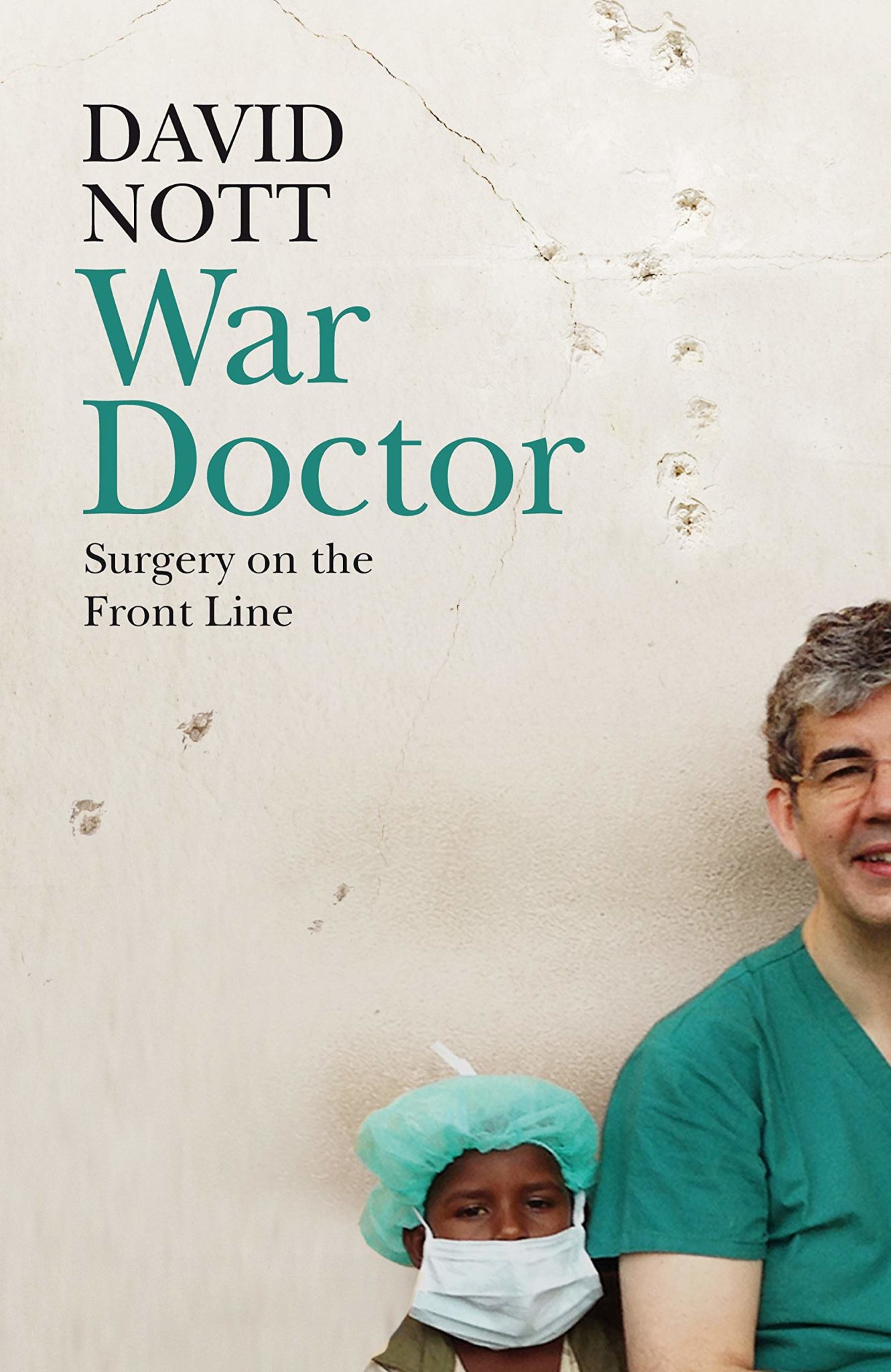
I cried multiple times reading the recounting of this flawed, empathic, ambiotous human. For anybody interested in medicine, politics and human beings an absolute must read. Especially for travelers to third world and war torn countries or people condemning asylum seekers.
"But actually it's quite simple: I don't get to choose who I work on."
I am not a doctor. I don't have medical inclinations, a background in medicine, or the ability to look at blood without feeling faint. I do, however, feel compassion for my fellow human, and this book really spoke to that part of me.
I lack the necessary knowledge, skills, and abilities to be able to dive headfirst into conflict zones and save lives like David Nott, though, who takes the reader on a trip through his 25 years of experience doing just that. From Sarajevo to Syria and many places in between, we're taken on an in-depth journey into how tragic and complex trauma surgery can be on the front lines. We also get to see inside Nott's head as he experiences these locations, and how deeply impacted he was throughout his career.
There is a …
"But actually it's quite simple: I don't get to choose who I work on."
I am not a doctor. I don't have medical inclinations, a background in medicine, or the ability to look at blood without feeling faint. I do, however, feel compassion for my fellow human, and this book really spoke to that part of me.
I lack the necessary knowledge, skills, and abilities to be able to dive headfirst into conflict zones and save lives like David Nott, though, who takes the reader on a trip through his 25 years of experience doing just that. From Sarajevo to Syria and many places in between, we're taken on an in-depth journey into how tragic and complex trauma surgery can be on the front lines. We also get to see inside Nott's head as he experiences these locations, and how deeply impacted he was throughout his career.
There is a lot of graphic surgery descriptions in this book, and the topics discussed are incredibly heavy. I almost put this book down like three times throughout reading it when I thought I had read something particularly sad, poignant, and graphic. I kept going back, though, which I suppose is the mark of a really good book. Do not read this book if trauma stories aren't your thing, or if heartwrenching stories affect you more than most. This is a really sad book, but it's incredibly powerful and a testament to Nott's selflessness that he kept going as long as he did.
From war zones to natural disasters, vascular surgeon David Nott has volunteered his time to treat the victims in some of the most dangerous places on Earth. His memoir covers just some of his life-long work and the challenges faced in Afghanistan, Sierra Leone, Liberia, Darfur, Congo, Iraq, Yemen, Libya, Gaza, Syria, Haiti and Nepal.
This book broke me. David has treated the victims of some of the worst acts humans can do to one another. He spends a considerable portion of this book talking about Syria, and with good reason. Assad's regime made doctors the outlaws for treating those injured by government sanctioned fire. His accounts of operating in war-torn hospitals, front rooms and basements put the whole thing into perspective. It's awful and heart-breaking that a country would do that to itself.
For each conflict, he provides a succinct background to how the trouble started, which I found …
From war zones to natural disasters, vascular surgeon David Nott has volunteered his time to treat the victims in some of the most dangerous places on Earth. His memoir covers just some of his life-long work and the challenges faced in Afghanistan, Sierra Leone, Liberia, Darfur, Congo, Iraq, Yemen, Libya, Gaza, Syria, Haiti and Nepal.
This book broke me. David has treated the victims of some of the worst acts humans can do to one another. He spends a considerable portion of this book talking about Syria, and with good reason. Assad's regime made doctors the outlaws for treating those injured by government sanctioned fire. His accounts of operating in war-torn hospitals, front rooms and basements put the whole thing into perspective. It's awful and heart-breaking that a country would do that to itself.
For each conflict, he provides a succinct background to how the trouble started, which I found useful and easy to follow. He explains the kinds of injuries common to each, including a few examples of the surgeries carried out. He is full of compassion and sees the victims as people. He goes above and beyond to save some, often children whose only mistake is to be born in the wrong time and place.
Not only did he provide urgent, on the spot care to life threatening injuries in dangerous situations, he realised he would do even more good by training the local doctors. He set up training courses where he could, and set up a charity to provide sponsorship to doctors around the world operating in austere situations.
He ponders whether or not its right to treat terrorists knowing they might go on to do more damage. But he upholds the Hippocratic oath at all time, and he has enough hope that maybe one day, they will remember the western doctor who saved their life.
David does help break up the onslaught of despair by a few chapters detailing his road to surgery and his love of flying (not only is he a talented trauma surgeon, but he also trained to be a commercial pilot in his spare time). He talks about meeting his wife late in life, and how having someone back home changed things.
The final chapter was surprisingly gripping as David fights against the clock to help facilitate a ceasefire, that would mean the Syrian doctors he called friends could escape Aleppo.
I'm grateful that I had the pressure of a library loan to make me listen to this. I didn't feel in the mood for it when my reservation came in, but there were a lot of people waiting for it, so I didn't cancel it. I'm so glad I powered through. It's hard going but has altered my perception of modern warfare and the suffering it inflicts.