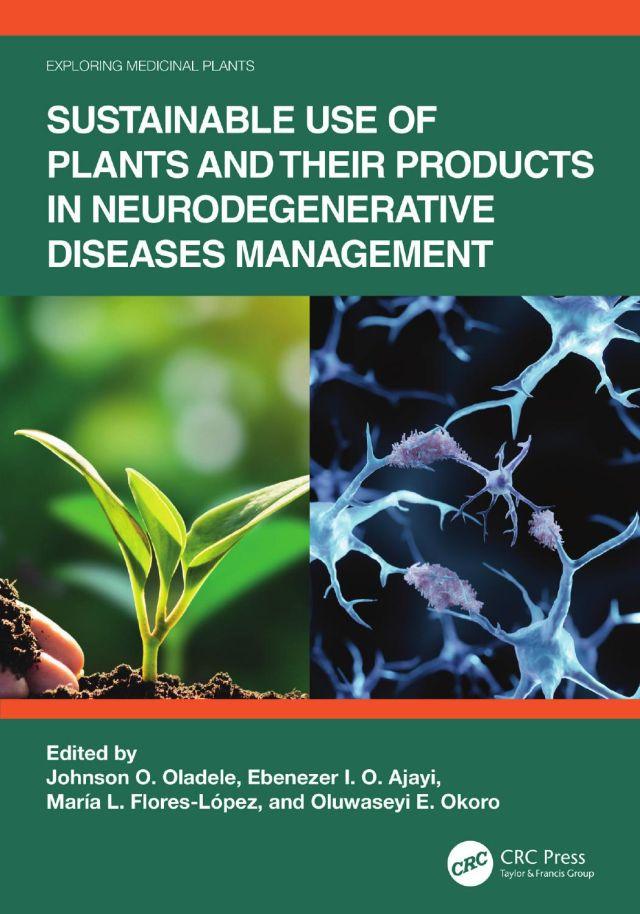
Sustainable Use of Plants and Their Products in Neurodegenerative Diseases Management by Johnson O. Oladele et al, 2025
Addresses the prevalence and pathogenesis of neurodegenerative diseases, and the roles of phytoconstituents in mitigating the progression of neurodegenerative diseases.
“The ATC is a physical location that promotes and educates visitors on various #AdaptiveTechnologies that are available to enrich the lives of those with #Neurodegenerative diseases. This space serves as an exploration center for families to discover ways to incorporate adaptive technology into their lives, to explore possibilities for independence. Students and clinicians also find value in learning about technologies, devices, and tools that enhance lives.”
"Seven million people worldwide suffer from Parkinson's-- with sixty thousand new cases diagnosed each year …
In the American "non-fiction" tradition, but one of the better examples of that style. The author is writing from the perspective of someone that both has been diagnosed with Parkinson and also has experience writing. That makes it a highly readable book, but never just settles for scratching the surface and enters the topic with a seriousness only a person with the diagnose themself would bring. A very hopeful book also, in spite of the tremendously complex disease, but this is part of the point. And having read it, I do find a lot of hope. The book was especially interesting in the chapters that showed how our understanding of Parkinson and some other neurodegenerative diseases are getting upturned these years, where diagnosis often happens when the disease has progressed for many years, sometimes decades. A new frontier of research is trying to make it possible to catch Parkinson and …
In the American "non-fiction" tradition, but one of the better examples of that style. The author is writing from the perspective of someone that both has been diagnosed with Parkinson and also has experience writing. That makes it a highly readable book, but never just settles for scratching the surface and enters the topic with a seriousness only a person with the diagnose themself would bring. A very hopeful book also, in spite of the tremendously complex disease, but this is part of the point. And having read it, I do find a lot of hope. The book was especially interesting in the chapters that showed how our understanding of Parkinson and some other neurodegenerative diseases are getting upturned these years, where diagnosis often happens when the disease has progressed for many years, sometimes decades. A new frontier of research is trying to make it possible to catch Parkinson and similar diseases way earlier when no one suspects anything.