QuietCat rated The Strength of the Few: 5 stars
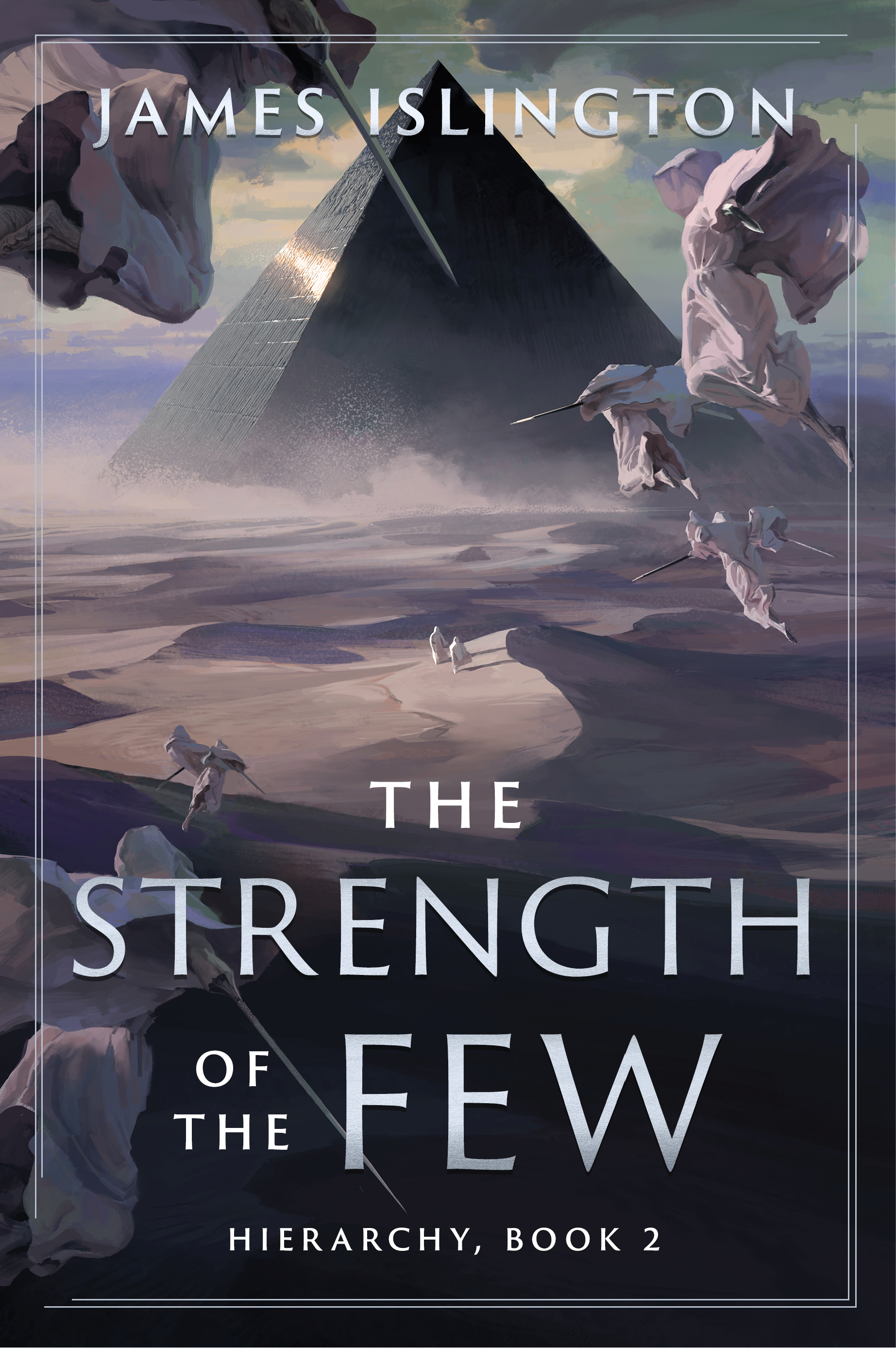
The Strength of the Few by James Islington (Hierarchy, #2)
The Hierarchy still call me Vis Telimus. Still hail me as Catenicus. They still, as one, believe they know who …

This link opens in a pop-up window
The Hierarchy still call me Vis Telimus. Still hail me as Catenicus. They still, as one, believe they know who …

"The city of Bulikov once wielded the powers of the gods to conquer the world, …
What a fantastic book. I am biased in that I really love Robert Jackson Bennett's writing, but this was definitely a good story. Very weighty. I've criticized other books for bringing up philosophical questions and not answering them but that's because those books literally bring them up, using characters as a mouthpiece to just point blank ask questions which is unsatisfying. This book makes YOU ask the questions. It has a lot to say about religion and bureaucracy, about history and truth, and about generational pain and trauma.
Amusingly, if the Shadow of the Leviathan series is about trusting the system, then the Divine Cities series (or at least this book) is about bucking establishment and rules in an effort to do good instead of serving the status quo.
What a fantastic book. I am biased in that I really love Robert Jackson Bennett's writing, but this was definitely a good story. Very weighty. I've criticized other books for bringing up philosophical questions and not answering them but that's because those books literally bring them up, using characters as a mouthpiece to just point blank ask questions which is unsatisfying. This book makes YOU ask the questions. It has a lot to say about religion and bureaucracy, about history and truth, and about generational pain and trauma.
Amusingly, if the Shadow of the Leviathan series is about trusting the system, then the Divine Cities series (or at least this book) is about bucking establishment and rules in an effort to do good instead of serving the status quo.
"The city of Bulikov once wielded the powers of the gods to conquer the world, enslaving and brutalizing millions--until its …

Feyre's survival rests upon her ability to hunt and kill – the forest where she …
This wasn't anything to write home about. I get why it might have broad appeal but I've definitely read better romantacy books--and worse. I have some general criticisms on why I didn't enjoy this more. First, the protagonist started off very interesting and then got very un-interesting. I liked learning about her and her world and how she saw things, but as the story wore on, she became flatter and more of a trope than a unique person.
Secondly, the writing is just overly dramatic at several points. To the point where it grated (though sometimes it looped back around and just flat out became funny.) Some of the things Feyre says are so overwrought, which only further contributes to my previous point.
She also seems to suffer from holding the Idiot Ball several times. I couldn't tell if we were supposed to think she was clever or …
This wasn't anything to write home about. I get why it might have broad appeal but I've definitely read better romantacy books--and worse. I have some general criticisms on why I didn't enjoy this more. First, the protagonist started off very interesting and then got very un-interesting. I liked learning about her and her world and how she saw things, but as the story wore on, she became flatter and more of a trope than a unique person.
Secondly, the writing is just overly dramatic at several points. To the point where it grated (though sometimes it looped back around and just flat out became funny.) Some of the things Feyre says are so overwrought, which only further contributes to my previous point.
She also seems to suffer from holding the Idiot Ball several times. I couldn't tell if we were supposed to think she was clever or not. Sometimes she was, and sometimes she wasn't, and it always whatever was most convenient to the plot at the time.
Finally, I really didn't care for the set up of a love triangle. Having an anti-hero in the mix is fine--I tend to like those characters--but holding up a neon sign that says "Secondary Love Interest" just diminished what would have otherwise been an interesting character.
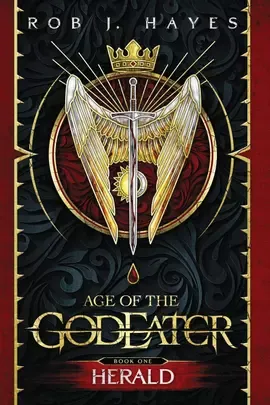
Content warning No outright spoilers but I do mention some things vaguely that happen at the end of the book.
In a fantasy world where God has been killed and eaten and his angels hunted down for the same fate, a young girl from a backwater village finds herself on an unexpected quest to set the world right.
The world building in this is fantastic and the premise is an extremely compelling one. What if God was known to have existed, but was killed? What if feasting on an angel's flesh gave you strength, longevity, and powers? But it falls extremely short of delivering on that interesting idea for several reason.
First, and one of the most obnoxious parts that seems to be agreed upon by many, was that this book was an absolute slog to read. It wanted for an editor so badly. It needed to be trimmed. It feels like it wants to be Lord of the Rings, but there's so much redundancy at times. I frequently see "about 200 pages" as what is quoted to be removed and heartily agree. If this had been a shorter book, my review would have been more forgiving. It also had way more typos than any other book I've read lately.
Secondly, most of the characters are not that likeable. The main character is so naive that the charm wears off and it just becomes irritating. The book is also full of her constantly questioning things--things that are happening and philosophical questions, and it feels like at no point do answers manifest themselves. But neither does she make any effort to find those answers. She is one of the most passive protagonists I've met in a great while. Infuriatingly, at one point, she even takes note of this and... just wishes it were otherwise? None of the supporting cast are that great either.
There's some interesting philosophical questions to be had in here, but they feel shallow. The author seems to be asking you to ponder on these questions but then never really offering a solid in-universe or narrative viewpoint to contrast against. It has all the depth of someone posting to social media, "Does anyone really have the right to judge another? :think::think::think:"
There's also a twist and it's the kind I hate the most: important characters feel shocked and hoodwinked but so does the audience. The narrative goes out of its way to trick you. Hell, at one point, I was going to complain about how much it wink-wink-nudge-nudges the reader over points of dramatic irony--which was all in service to tricking the reader. I'm not a fan of that, personally. I can recognize some people might be, but I despise twists that have almost no way of being puzzled out by a keen-eyed reader.
The book is meant to be the first in a series (a trilogy I believe?) and despite being left with an enormous lack of answers to questions raised in this book, I don't intend to read it. Fool me once.
Feyre's survival rests upon her ability to hunt and kill – the forest where she …
Audiobook

Amina al-Sirafi should be content. After a storied and scandalous career as one of the …
Pirate Amina al-Sirafi finds her and her crew on 'one last adventure' whether she wants it or not, and winds up quickly in over her head.
I preface this review with that I generally do not like pirate stories. If I did, this would be a solid 5/5, no notes sort of deal. But since I don't, it had a higher bar to clear, and clear it did. The narrative structure is interesting at the start, the characters are almost immediately compelling, and it was enough to keep me turning the pages despite being ready to dismiss it. I'd say the book really hits its stride about 40% in at which point I couldn't really put it down.
Extra bonus points for LGBTQ+ representation.
Pirate Amina al-Sirafi finds her and her crew on 'one last adventure' whether she wants it or not, and winds up quickly in over her head.
I preface this review with that I generally do not like pirate stories. If I did, this would be a solid 5/5, no notes sort of deal. But since I don't, it had a higher bar to clear, and clear it did. The narrative structure is interesting at the start, the characters are almost immediately compelling, and it was enough to keep me turning the pages despite being ready to dismiss it. I'd say the book really hits its stride about 40% in at which point I couldn't really put it down.
Extra bonus points for LGBTQ+ representation.
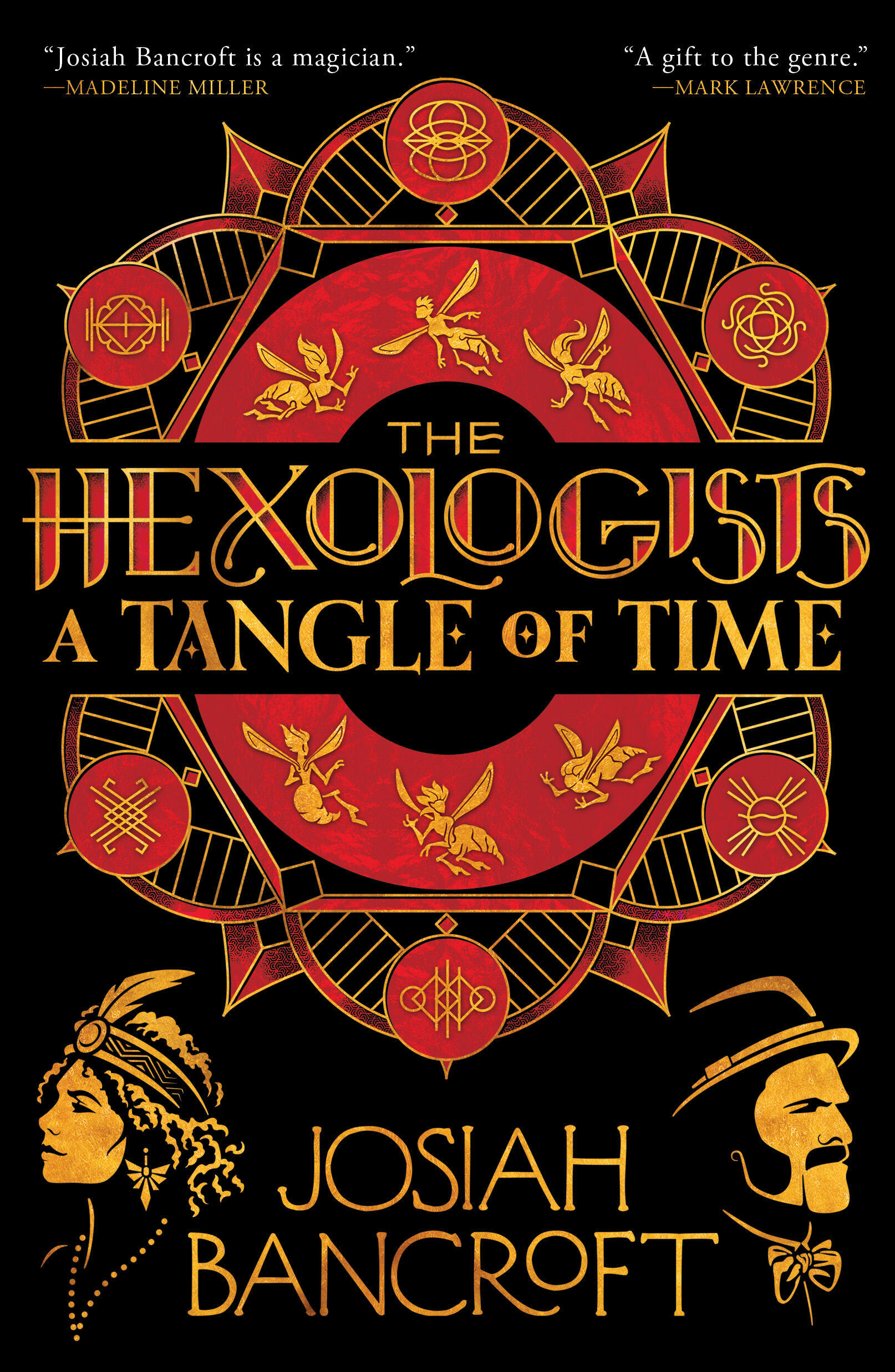
From one of the most exciting and original voices in fantasy comes the second book …
In this book, the Hexologists are on the trail of a mystery. But each time they draw close, the answer seems to shift out of their grasp.
I'm a huge fan of Josiah Bancroft in general, so more of his writing just makes me happy. I think objectively the plot of this one may be weaker, but it's hard for me to give an unbiased review since I enjoyed myself too much. Not to mention, I do really love time travel stories. We also get an advancement of the meta plot of Isolde's father!
In this book, the Hexologists are on the trail of a mystery. But each time they draw close, the answer seems to shift out of their grasp.
I'm a huge fan of Josiah Bancroft in general, so more of his writing just makes me happy. I think objectively the plot of this one may be weaker, but it's hard for me to give an unbiased review since I enjoyed myself too much. Not to mention, I do really love time travel stories. We also get an advancement of the meta plot of Isolde's father!
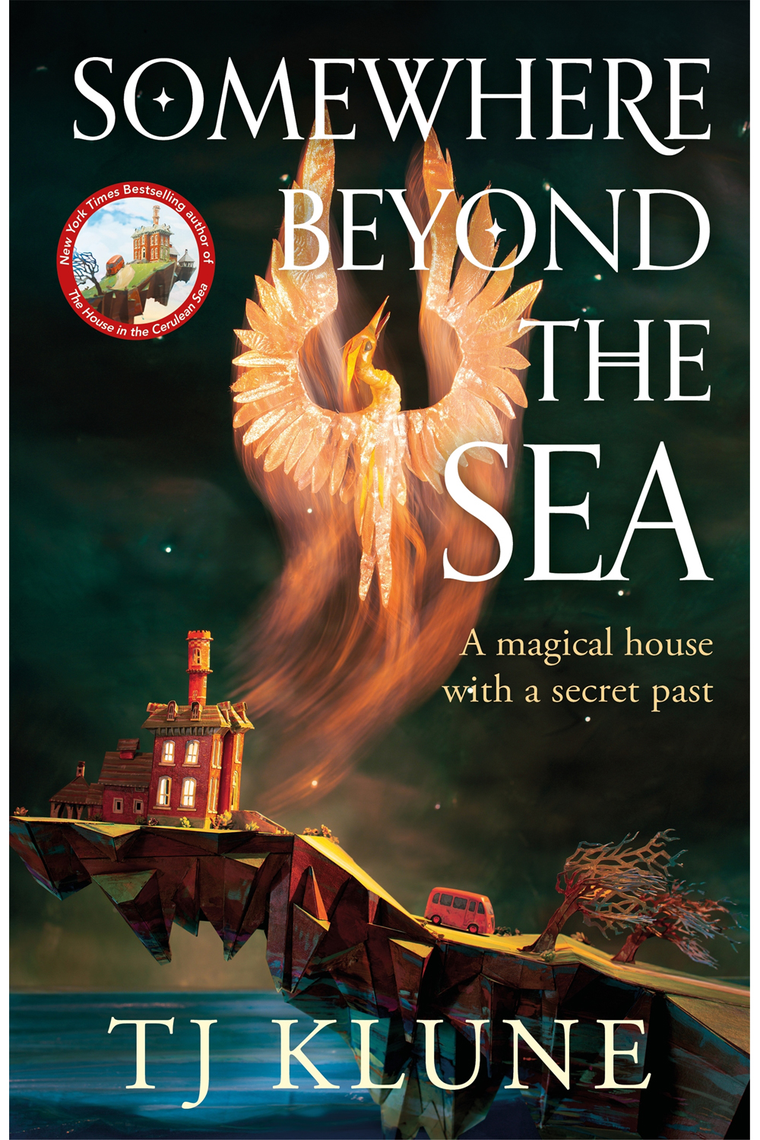
A magical house. A secret past. A summons that could change everything.
Arthur Parnassus …
In this sequel, we switch our point of view character to Arthur Parnassus, learning more about him even as we see the advancement of the plot and world setting.
This book feels like it's trying to tackle and cover a LOT of ground--more than the first book, which already had a fair amount going on. It has its sweet moments, but it also has more that are grounded in reality than I'd say the first book. I find it a worthy successor--I quite enjoyed it.
In this sequel, we switch our point of view character to Arthur Parnassus, learning more about him even as we see the advancement of the plot and world setting.
This book feels like it's trying to tackle and cover a LOT of ground--more than the first book, which already had a fair amount going on. It has its sweet moments, but it also has more that are grounded in reality than I'd say the first book. I find it a worthy successor--I quite enjoyed it.

A magical island. A dangerous task. A burning secret.
Linus Baker leads a quiet, …
A caseworker for magical youth is sent on an extremely unusual mission...
This is one of those books that Hallmark movies are made of, but it manages to not fall into the overly saccharine pit that so many like it do. I could see some calling it a bit preachy or on the nose with its allegories for racism and other forms of bigotry, but I personally did not mind. I think it handled the plot and characters quite well, too.

A worldwide bestseller for over thirty years, Watership Down is one of the most beloved novels of all time. Set …

A terrible storm is raging, and ten-year-old Dinah is huddled by candlelight with her brother, …
Content warning Spoiler for the ending of the book
Three children listen to their adult cousin tell them a story about Tooth Fairies while waiting anxiously through a giant storm.
This is a pretty cute book. I'm not sure I'm a real fan of the cuts between the story being told in-universe, and what was going on "in real life." I think I ultimately would have preferred the in universe story to be standalone. That said, I was left pretty disappointed that we got no actual resolution to the "in real life" plotline. I get that it isn't the point, but since it didn't tie extremely strongly to the themes of the story-in-a-story (at least, not that I felt was overt), it didn't feel good to be left dangling in that regard.

Lahore, Pakistan. Then. Misbah is a dreamer and storyteller, newly married to Toufiq in an …
DNF, however, this is a wonderful book. It's just sad and full of quite sad topics. I am just not in the headspace for it right now. Will probably pick it up again in the future.
DNF, however, this is a wonderful book. It's just sad and full of quite sad topics. I am just not in the headspace for it right now. Will probably pick it up again in the future.

Gods are forbidden in the kingdom of Middren. Formed by human desires and fed by …
A world where gods were once rampant now sees religion as outlawed. The fates of a young noble girl who is bound to a small god, a godkiller, and a former royal knight become intertwined.
I was very much into this book at first. The world building is good, and the first few chapters have pretty fantastic prose and character introductions. It definitely will suck you in. However, towards the later half of the book I found myself feeling a bit disappointed with how some of the characters, and their relationships to each other, developed. Particularly Elo, who I grew to increasingly dislike despite my best wishes. It does end on a fairly good note--this book is definitely more of a 3.5 than a 3. If it weren't for those flagging and awkward moments, it could have easily been a 4. I just didn't feel compelled to hurry and …
A world where gods were once rampant now sees religion as outlawed. The fates of a young noble girl who is bound to a small god, a godkiller, and a former royal knight become intertwined.
I was very much into this book at first. The world building is good, and the first few chapters have pretty fantastic prose and character introductions. It definitely will suck you in. However, towards the later half of the book I found myself feeling a bit disappointed with how some of the characters, and their relationships to each other, developed. Particularly Elo, who I grew to increasingly dislike despite my best wishes. It does end on a fairly good note--this book is definitely more of a 3.5 than a 3. If it weren't for those flagging and awkward moments, it could have easily been a 4. I just didn't feel compelled to hurry and read the next installation, though.