QuietCat wants to read Everything Is Tuberculosis by John Green

Everything Is Tuberculosis by John Green
Tuberculosis has been entwined with humanity for millennia. Once romanticized as a malady of poets, today tuberculosis is a disease …

This link opens in a pop-up window


Tuberculosis has been entwined with humanity for millennia. Once romanticized as a malady of poets, today tuberculosis is a disease …
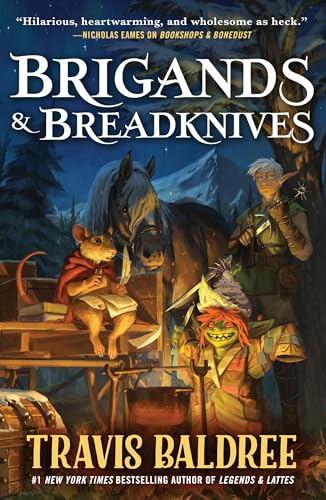
Return to the cozy fantasy world of the #1 New York Times bestselling Legends & Lattes series with a new …
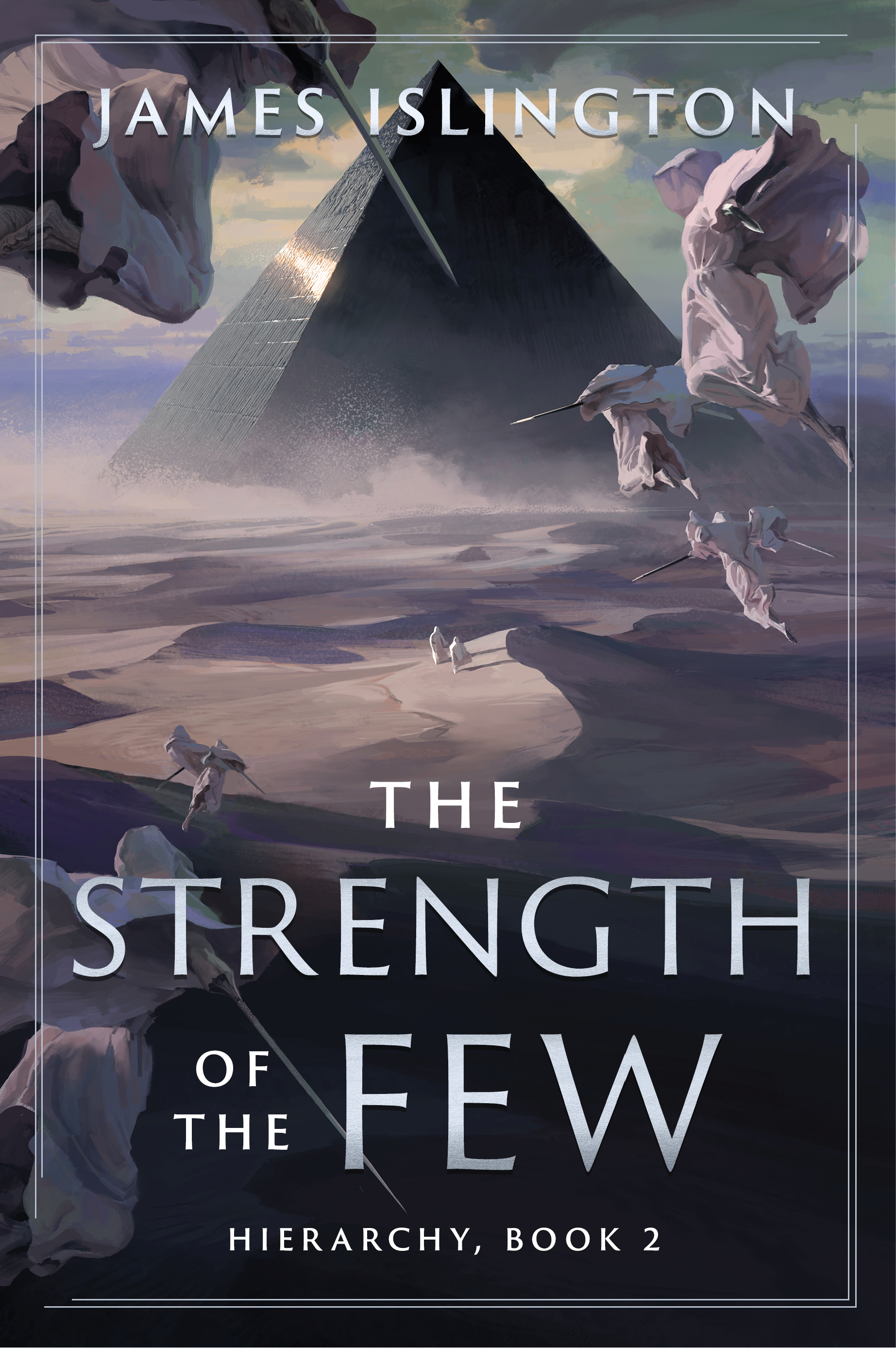
The Hierarchy still call me Vis Telimus. Still hail me as Catenicus. They still, as one, believe they know who …
The Hierarchy still call me Vis Telimus. Still hail me as Catenicus. They still, as one, believe they know who …
"The city of Bulikov once wielded the powers of the gods to conquer the world, …
What a fantastic book. I am biased in that I really love Robert Jackson Bennett's writing, but this was definitely a good story. Very weighty. I've criticized other books for bringing up philosophical questions and not answering them but that's because those books literally bring them up, using characters as a mouthpiece to just point blank ask questions which is unsatisfying. This book makes YOU ask the questions. It has a lot to say about religion and bureaucracy, about history and truth, and about generational pain and trauma.
Amusingly, if the Shadow of the Leviathan series is about trusting the system, then the Divine Cities series (or at least this book) is about bucking establishment and rules in an effort to do good instead of serving the status quo.
What a fantastic book. I am biased in that I really love Robert Jackson Bennett's writing, but this was definitely a good story. Very weighty. I've criticized other books for bringing up philosophical questions and not answering them but that's because those books literally bring them up, using characters as a mouthpiece to just point blank ask questions which is unsatisfying. This book makes YOU ask the questions. It has a lot to say about religion and bureaucracy, about history and truth, and about generational pain and trauma.
Amusingly, if the Shadow of the Leviathan series is about trusting the system, then the Divine Cities series (or at least this book) is about bucking establishment and rules in an effort to do good instead of serving the status quo.
"The city of Bulikov once wielded the powers of the gods to conquer the world, enslaving and brutalizing millions--until its …
"The city of Bulikov once wielded the powers of the gods to conquer the world, enslaving and brutalizing millions--until its …
Feyre's survival rests upon her ability to hunt and kill – the forest where she …
This wasn't anything to write home about. I get why it might have broad appeal but I've definitely read better romantacy books--and worse. I have some general criticisms on why I didn't enjoy this more. First, the protagonist started off very interesting and then got very un-interesting. I liked learning about her and her world and how she saw things, but as the story wore on, she became flatter and more of a trope than a unique person.
Secondly, the writing is just overly dramatic at several points. To the point where it grated (though sometimes it looped back around and just flat out became funny.) Some of the things Feyre says are so overwrought, which only further contributes to my previous point.
She also seems to suffer from holding the Idiot Ball several times. I couldn't tell if we were supposed to think she was clever or …
This wasn't anything to write home about. I get why it might have broad appeal but I've definitely read better romantacy books--and worse. I have some general criticisms on why I didn't enjoy this more. First, the protagonist started off very interesting and then got very un-interesting. I liked learning about her and her world and how she saw things, but as the story wore on, she became flatter and more of a trope than a unique person.
Secondly, the writing is just overly dramatic at several points. To the point where it grated (though sometimes it looped back around and just flat out became funny.) Some of the things Feyre says are so overwrought, which only further contributes to my previous point.
She also seems to suffer from holding the Idiot Ball several times. I couldn't tell if we were supposed to think she was clever or not. Sometimes she was, and sometimes she wasn't, and it always whatever was most convenient to the plot at the time.
Finally, I really didn't care for the set up of a love triangle. Having an anti-hero in the mix is fine--I tend to like those characters--but holding up a neon sign that says "Secondary Love Interest" just diminished what would have otherwise been an interesting character.
Feyre's survival rests upon her ability to hunt and kill – the forest where she lives is a cold, bleak …
"The city of Bulikov once wielded the powers of the gods to conquer the world, enslaving and brutalizing millions--until its …
Content warning No outright spoilers but I do mention some things vaguely that happen at the end of the book.
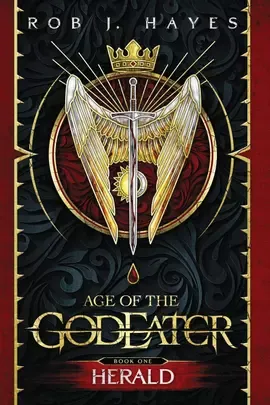
In a fantasy world where God has been killed and eaten and his angels hunted down for the same fate, a young girl from a backwater village finds herself on an unexpected quest to set the world right.
The world building in this is fantastic and the premise is an extremely compelling one. What if God was known to have existed, but was killed? What if feasting on an angel's flesh gave you strength, longevity, and powers? But it falls extremely short of delivering on that interesting idea for several reason.
First, and one of the most obnoxious parts that seems to be agreed upon by many, was that this book was an absolute slog to read. It wanted for an editor so badly. It needed to be trimmed. It feels like it wants to be Lord of the Rings, but there's so much redundancy at times. I frequently see "about 200 pages" as what is quoted to be removed and heartily agree. If this had been a shorter book, my review would have been more forgiving. It also had way more typos than any other book I've read lately.
Secondly, most of the characters are not that likeable. The main character is so naive that the charm wears off and it just becomes irritating. The book is also full of her constantly questioning things--things that are happening and philosophical questions, and it feels like at no point do answers manifest themselves. But neither does she make any effort to find those answers. She is one of the most passive protagonists I've met in a great while. Infuriatingly, at one point, she even takes note of this and... just wishes it were otherwise? None of the supporting cast are that great either.
There's some interesting philosophical questions to be had in here, but they feel shallow. The author seems to be asking you to ponder on these questions but then never really offering a solid in-universe or narrative viewpoint to contrast against. It has all the depth of someone posting to social media, "Does anyone really have the right to judge another? :think::think::think:"
There's also a twist and it's the kind I hate the most: important characters feel shocked and hoodwinked but so does the audience. The narrative goes out of its way to trick you. Hell, at one point, I was going to complain about how much it wink-wink-nudge-nudges the reader over points of dramatic irony--which was all in service to tricking the reader. I'm not a fan of that, personally. I can recognize some people might be, but I despise twists that have almost no way of being puzzled out by a keen-eyed reader.
The book is meant to be the first in a series (a trilogy I believe?) and despite being left with an enormous lack of answers to questions raised in this book, I don't intend to read it. Fool me once.
Feyre's survival rests upon her ability to hunt and kill – the forest where she …
Audiobook

Amina al-Sirafi should be content. After a storied and scandalous career as one of the …
Pirate Amina al-Sirafi finds her and her crew on 'one last adventure' whether she wants it or not, and winds up quickly in over her head.
I preface this review with that I generally do not like pirate stories. If I did, this would be a solid 5/5, no notes sort of deal. But since I don't, it had a higher bar to clear, and clear it did. The narrative structure is interesting at the start, the characters are almost immediately compelling, and it was enough to keep me turning the pages despite being ready to dismiss it. I'd say the book really hits its stride about 40% in at which point I couldn't really put it down.
Extra bonus points for LGBTQ+ representation.
Pirate Amina al-Sirafi finds her and her crew on 'one last adventure' whether she wants it or not, and winds up quickly in over her head.
I preface this review with that I generally do not like pirate stories. If I did, this would be a solid 5/5, no notes sort of deal. But since I don't, it had a higher bar to clear, and clear it did. The narrative structure is interesting at the start, the characters are almost immediately compelling, and it was enough to keep me turning the pages despite being ready to dismiss it. I'd say the book really hits its stride about 40% in at which point I couldn't really put it down.
Extra bonus points for LGBTQ+ representation.