Reviews and Comments

Ryan

RyanParsley@bookwyrm.social

Joined 11 months, 3 weeks ago

I write code and have a complicated relationship with simplicity. When not writing code, I enjoy collecting hobbies. I say "collection" but it's more of a crudely curated "hodgepodge of curiosities".

This link opens in a pop-up window

Arvind Narayanan, Sayash Kapoor: AI Snake Oil (2024, Princeton University Press)

From two of TIME's 100 Most Influential People in AI, what you need to know …

I just wrapped up chapter 7. It was about AI Mythology and is maybe the most practical chapter to ponder.

The intersection of perverse incentives and cognitive bias seems like a place more people should give more attention to.
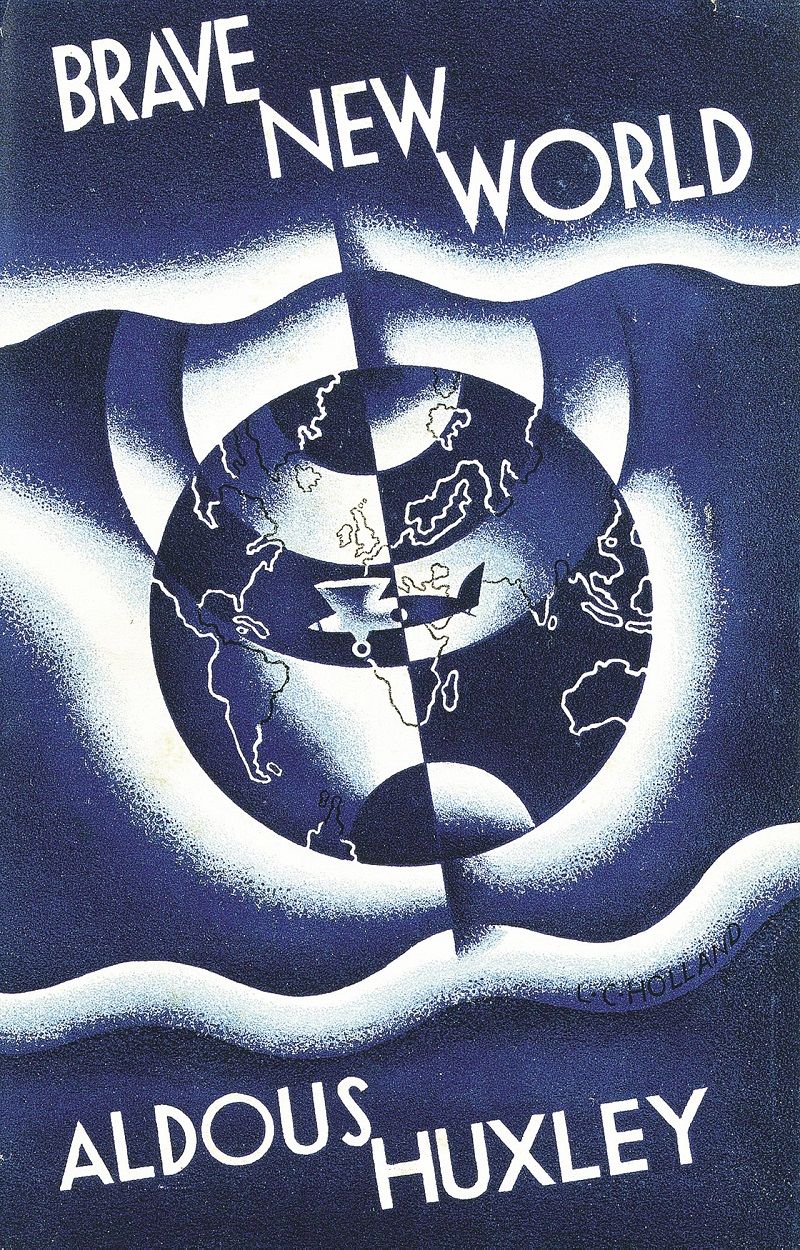
Aldous Huxley: Brave New World (Paperback, 1998, HarperPerennial)

Aldous Huxley's profoundly important classic of world literature, Brave New World is a searching vision …

This book was better than I expected and I had heard a lot of positive hype. Huxley packs in lots of human condition ideas without much value judgment in a way that respects the reader.

Jonathan Haidt, Jonathan Haidt: The Anxious Generation (2024, Penguin Publishing Group)

There's a lot to take in here but a key take away that makes it feel manageable is:

The main harm of screentime is opportunity cost. Focus on hitting healthy goals (sleep, exercise, in person play) and screen concerns will largely work themselves out.

Jonathan Haidt, Jonathan Haidt: The Anxious Generation (2024, Penguin Publishing Group)

A lot of new to me things to be concerned about in chapter 6. I'll be searching for more information on "sociogenic" illnesses for sure. It's a black mirror level scary idea but I'm unclear based on the evidence in this book how common it is.

Jonathan Haidt, Jonathan Haidt: The Anxious Generation (2024, Penguin Publishing Group)

The first third of this book is really speaking to some observations and intuition I've had recently.

The bit about opportunity cost of all this vapid scrolling and tapping resonates with me.

Engagement restated as addiction is more concerning when also considering recent studies on AI usage being similar to addiction.

At this point in the book, I'm not sure what actions I'll take, but nice to see some evidence to back up my reckons.

Neil Postman: Amusing ourselves to death (2006, Penguin Books)

Amusing Ourselves to Death: Public Discourse in the Age of Show Business (1985) is a …

Amusing Ourselves to Death is deeply fascinating to me in 2025. The parallels and progression from TV and Regan to Social Media and Trump are laid out in the margins.

Postman didn't predict the future so much as articulate the framework that made it not just possible, but likely.

There are some challenging ideas in this book (Sesame Street considered harmful!?) and it's been living in my head rent free since I opened the cover.