


Rendell combines a beautiful narration of Grand Tour cycling that brings the low-resolution 90s TV images of climbers up the misty slopes of the Giro and Le Tour in front of you from the pages, with an unapologetically responsible evaluation of the ugly parts of the story: the doping, Marco's self-destruction, and the complicity of those around him to his demise. I was very glad to see that clear-eyed but sensitive treatment of the myths and excuses built around him over the years - a norm particularly present with sports celebrities in Italy. It's exactly the author's refusal to engage with those myths and excuses, and instead his decision to direct the gaze at the facts of how Marco both failed himself, and was failed by lots of individuals around him, that makes it a valuable reading. I found this much more compelling than the documentary, which skipped many of …
User Profile

I like books on society, Linux, drawing, jazz, cycling and trains
This link opens in a pop-up window
Svalbard Sleeper District's books
User Activity
RSS feed Back

The Destruction of Palestine Is the Destruction of the Earth by Andreas Malm
Malm unearths the shared roots of colonial adventurism in Palestine and fossil fuelled warfare.
Israel’s pulverization of Gaza since …
Svalbard Sleeper District wants to read The Bolshevik Myth by Alexander Berkman

The Bolshevik Myth by Alexander Berkman
When Alexander Berkman (1870-1936) - a leading American anarchist of Russian origin - returned to Russia in 1919, he was …
Svalbard Sleeper District wants to read Raise Your Soul by Yanis Varoufakis

Raise Your Soul by Yanis Varoufakis
A captivating portrait of number-one bestselling author Yanis Varoufakis’s political awakening, told through the extraordinary lives of five women, and …
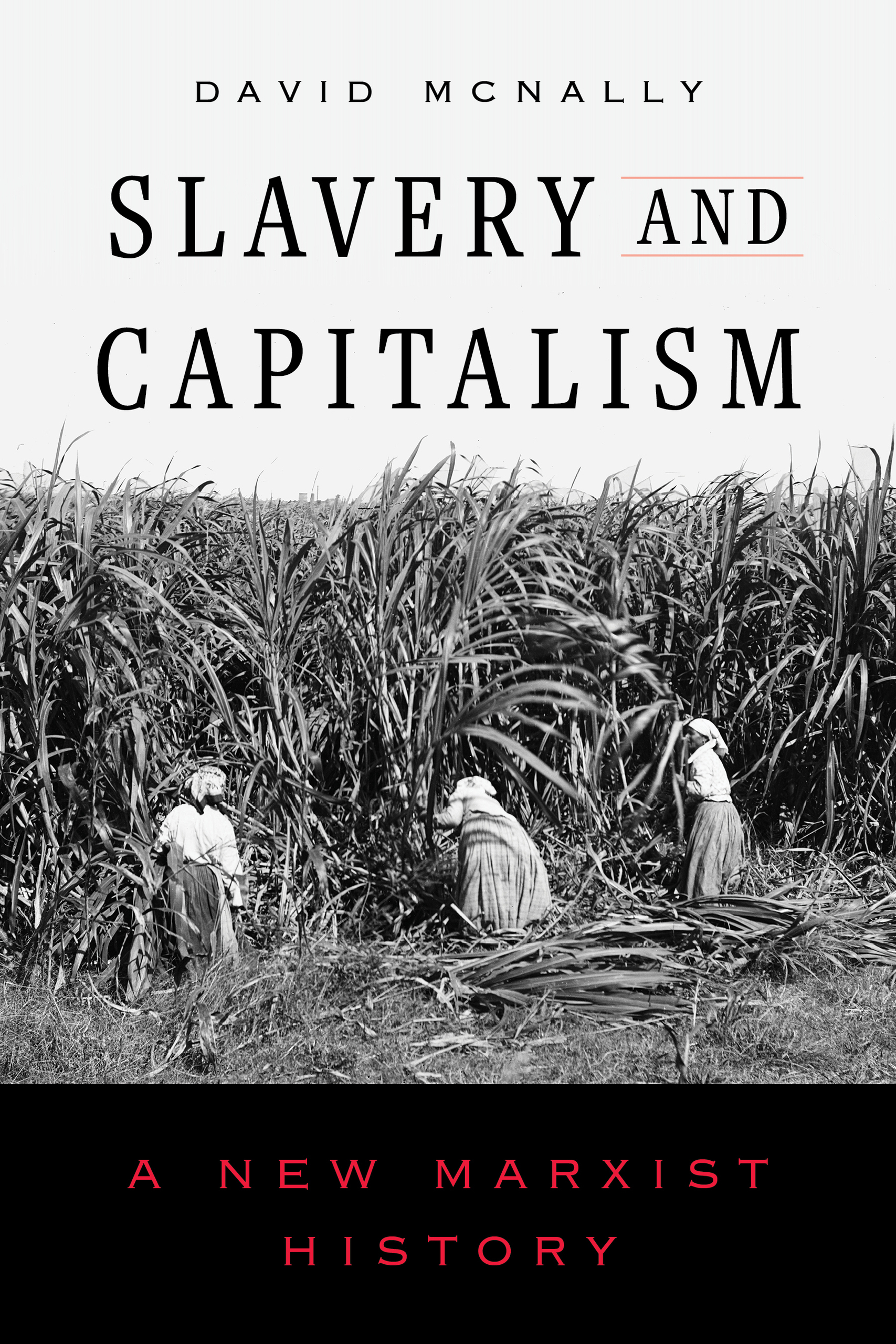
Slavery and Capitalism: A New Marxist History by David McNally
The first systematic Marxist account of the capitalist character of Atlantic slavery.
Karl Marx’s writings on enslavement and labor …
Svalbard Sleeper District wants to read Die Kronstadt Rebellion by Alexander Berkman

Marx in the Anthropocene: Towards the Idea of Degrowth Communism by Kohei Saito
Facing global climate crisis, Marx’s ecological critique of capitalism more clearly demonstrates its importance than ever. Marx in the Anthropocene …
Svalbard Sleeper District rated The Death of Marco Pantani: 4 stars
Svalbard Sleeper District finished reading The Death of Marco Pantani by Matt Rendell

Rendell combines a beautiful narration of Grand Tour cycling that brings the low-resolution 90s TV images of climbers up the misty slopes of the Giro and Le Tour in front of you from the pages, with an unapologetically responsible evaluation of the ugly parts of the story: the doping, Marco's self-destruction, and the complicity of those around him to his demise. I was very glad to see that clear-eyed but sensitive treatment of the myths and excuses built around him over the years - a norm particularly present with sports celebrities in Italy. It's exactly the author's refusal to engage with those myths and excuses, and instead his decision to direct the gaze at the facts of how Marco both failed himself, and was failed by lots of individuals around him, that makes it a valuable reading. I found this much more compelling than the documentary, which skipped many of the crucial relationships and personalities that aided his spiral of dismantling his own life and persona. From the triumphs of his agony-sprinkled climbing of the greatest cols, to the repeat cycles of his regressing relationships, to the final disintegration in his room in that hotel in Rimini, this was both a beautiful and painful read.

Svalbard Sleeper District wants to read Rivalry Peril by Michael Brenes
Svalbard Sleeper District wants to read The Exhausted of the Earth by Ajay Singh Chaudhary

The Exhausted of the Earth by Ajay Singh Chaudhary
Climate change is not only about the exhaustion of the planet, it’s about the exhaustion of so many of us, …
Svalbard Sleeper District wants to read Family Abolition by M. E. O'Brien

Svalbard Sleeper District wants to read Surveillance Education by Nolan Higdon


How Silicon Valley Unleashed Techno-Feudalism by Cédric Durand
The New Economy never arrived, instead we have regressed towards darker times. Have we already entered the age of techno-feudalism? …