
Leyssandra reviewed Don Quixote by Miguel de Cervantes Saavedra (Don Quijote de la Mancha, #1-2)
None
3 stars
Monty Python and the Holy Grail, but in 1600.
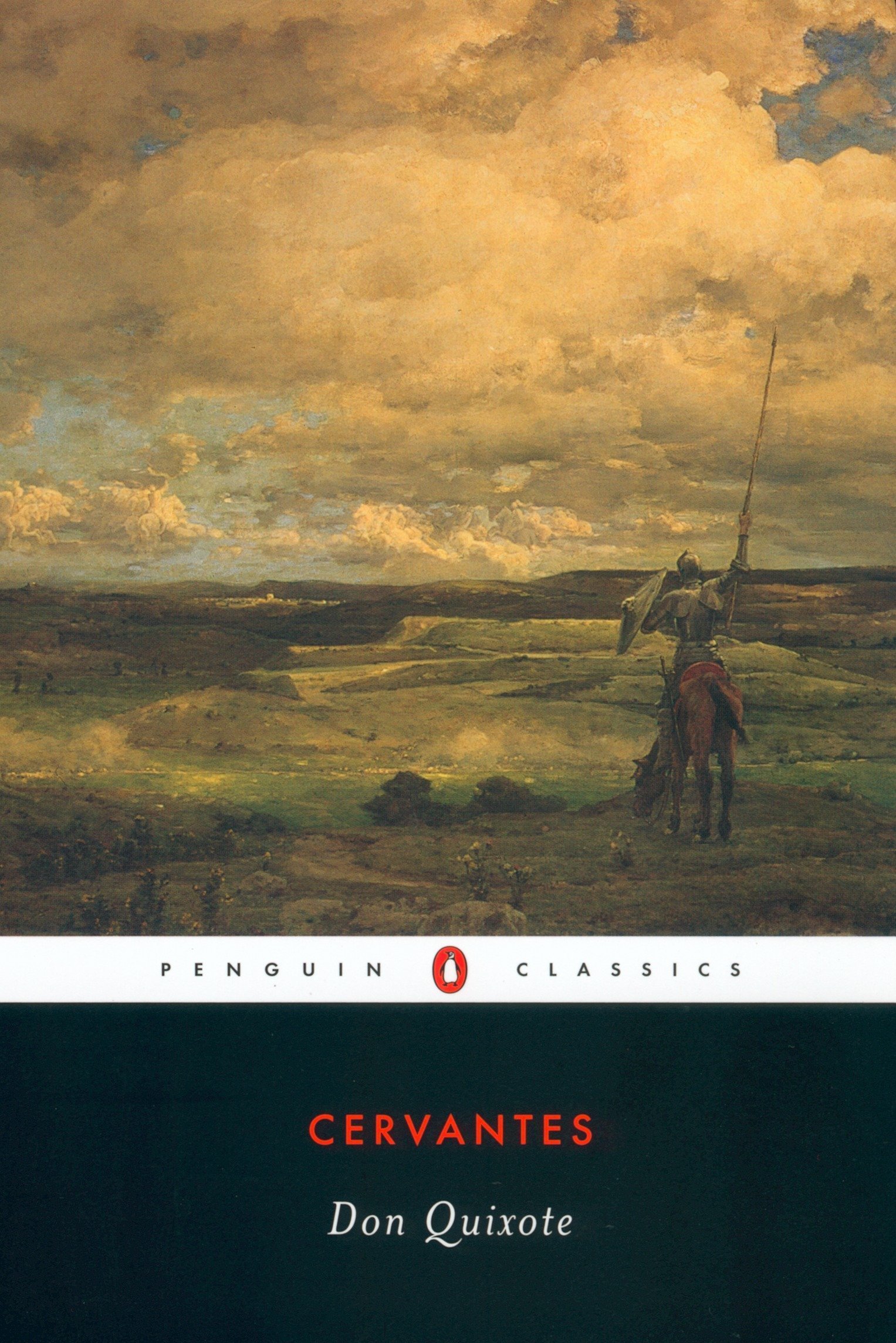
When Don Quixote, inspired by the certainly true stories of knight errantry (including the Legends of King Arthur), decides to become a Knight Errant himself, he sets out on a series of (mis)adventures to restore the age of chivalry. Alas though, most people don't believe the obvious truth of these stories and see him as a madman. As he tries to explain to everyone, especially his skeptical squire Sancho Panza, the obvious truths of knight errantry and defend his actions, its clear that anything to the contrary must be the work of an evil enchanter. "Hold your tongue!" said Don Quixote, "Where have you ever seen or heard of a knight errant who was brought before a judge no matter how many homicides he may have committed?"
Cervantes uses this hilarious adventure not only as a satire of these chivalrous romances, …
Monty Python and the Holy Grail, but in 1600.
When Don Quixote, inspired by the certainly true stories of knight errantry (including the Legends of King Arthur), decides to become a Knight Errant himself, he sets out on a series of (mis)adventures to restore the age of chivalry. Alas though, most people don't believe the obvious truth of these stories and see him as a madman. As he tries to explain to everyone, especially his skeptical squire Sancho Panza, the obvious truths of knight errantry and defend his actions, its clear that anything to the contrary must be the work of an evil enchanter. "Hold your tongue!" said Don Quixote, "Where have you ever seen or heard of a knight errant who was brought before a judge no matter how many homicides he may have committed?"
Cervantes uses this hilarious adventure not only as a satire of these chivalrous romances, but as a frame for literary criticism and assorted nested stories. The diversions from the plot and pointless pranks played on the unfortunate pair, however, really detract from the story, as does the obvious pandering to the Spanish Inquisition, for admittedly understandable reasons. This all is especially true in the second book, though the discussion and criticism of his first book in the second book is wonderful.