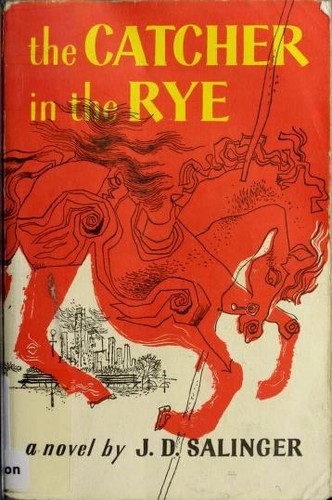
Holden Caulfield, knowing he is to be expelled from school, decides to leave early. He spends three days in New York City and tells the story of what he did and suffered there.
I liked the writing style and the flow. It seems a realistic presentation of an entitled, self-absorbed and not-yet-selfcensored young mind. Overall, I have a positive impresion about the book.
I liked the writing style and the flow.
It seems a realistic presentation of an entitled, self-absorbed and not-yet-selfcensored young mind.
Overall, I have a positive impresion about the book.
I liked the writing style and the flow. It seems a realistic presentation of an entitled, self-absorbed and not-yet-selfcensored young mind. Overall, I have a positive impresion about the book.
I liked the writing style and the flow.
It seems a realistic presentation of an entitled, self-absorbed and not-yet-selfcensored young mind.
Overall, I have a positive impresion about the book.
Zwischen Zynismus und Sehnsucht: Mein Streifzug mit Der Fänger im Roggen
5 stars
Als ich Der Fänger im Roggen von J. D. Salinger las, hatte ich nicht erwartet, mich so sehr mit einem jugendlichen Ausreißer zu identifizieren. Holden Caulfield, der Ich-Erzähler, ist wütend, verloren, gelangweilt – aber auch ehrlich, verletzlich und zutiefst menschlich. Ich habe gelacht, den Kopf geschüttelt, mich genervt gefühlt – und war am Ende berührt.
Die Geschichte begleitet Holden durch ein paar Tage in New York, nachdem er vom Internat fliegt. Klingt banal – ist es aber nicht. Denn was eigentlich passiert, spielt sich in seinem Inneren ab: seine Wut auf die „Verlogenen“, seine Angst vor dem Erwachsenwerden, seine Suche nach etwas Echtem in einer Welt voller Fassade.
Ich habe seine innere Zerrissenheit gespürt, besonders in den kleinen Momenten – wenn er über seine kleine Schwester Phoebe spricht oder einfach nur ziellos durch die Stadt streift. Diese Mischung aus Rebellion und kindlicher Sehnsucht hat mich mitgenommen.
Salingers …
Als ich Der Fänger im Roggen von J. D. Salinger las, hatte ich nicht erwartet, mich so sehr mit einem jugendlichen Ausreißer zu identifizieren. Holden Caulfield, der Ich-Erzähler, ist wütend, verloren, gelangweilt – aber auch ehrlich, verletzlich und zutiefst menschlich. Ich habe gelacht, den Kopf geschüttelt, mich genervt gefühlt – und war am Ende berührt.
Die Geschichte begleitet Holden durch ein paar Tage in New York, nachdem er vom Internat fliegt. Klingt banal – ist es aber nicht. Denn was eigentlich passiert, spielt sich in seinem Inneren ab: seine Wut auf die „Verlogenen“, seine Angst vor dem Erwachsenwerden, seine Suche nach etwas Echtem in einer Welt voller Fassade.
Ich habe seine innere Zerrissenheit gespürt, besonders in den kleinen Momenten – wenn er über seine kleine Schwester Phoebe spricht oder einfach nur ziellos durch die Stadt streift. Diese Mischung aus Rebellion und kindlicher Sehnsucht hat mich mitgenommen.
Salingers Sprache ist schlicht, aber messerscharf. Holden redet, wie er denkt – sprunghaft, zynisch, aber nie unecht. Und genau das macht das Buch so kraftvoll.
Der Fänger im Roggen ist keine Heldengeschichte. Es ist ein stiller Schrei nach Halt, nach Ehrlichkeit, nach Bedeutung. Ich habe das Buch zu einer Zeit gelesen, in der ich selbst vieles hinterfragte – und vielleicht war es genau deshalb so wirksam. Holden hat mich nicht belehrt. Er hat mir einen Spiegel vorgehalten.
Lo abrí por curiosidad. El guardián entre el centeno . Todo el mundo hablaba de él. “Un clásico”, decían. Lo que no esperaba era que Holden Caulfield —con su voz rota, sarcástica, brutalmente honesta— me atrapara como un amigo perdido.
No hay tramas épicas. No hay giros espectaculares. Hay un chico de 16 años que huye de todo: del colegio, de sus padres, de la tristeza. Sobre todo, de la hipocresía del mundo adulto. Y mientras lo seguía por las calles de Nueva York, me sentí como si caminara con él. Porque Holden no narra una historia. Te confiesa su vida.
Su rabia me conmovió. Su ternura con su hermana Phoebe me desarmó. Y sus pensamientos sobre la muerte, el amor y el sentirse fuera de lugar… eso me golpeó de lleno.
¿Quién no se ha sentido un poco perdido, un poco fuera del mapa? ¿Quién no …
Lo abrí por curiosidad. El guardián entre el centeno . Todo el mundo hablaba de él. “Un clásico”, decían. Lo que no esperaba era que Holden Caulfield —con su voz rota, sarcástica, brutalmente honesta— me atrapara como un amigo perdido.
No hay tramas épicas. No hay giros espectaculares. Hay un chico de 16 años que huye de todo: del colegio, de sus padres, de la tristeza. Sobre todo, de la hipocresía del mundo adulto. Y mientras lo seguía por las calles de Nueva York, me sentí como si caminara con él. Porque Holden no narra una historia. Te confiesa su vida.
Su rabia me conmovió. Su ternura con su hermana Phoebe me desarmó. Y sus pensamientos sobre la muerte, el amor y el sentirse fuera de lugar… eso me golpeó de lleno.
¿Quién no se ha sentido un poco perdido, un poco fuera del mapa? ¿Quién no ha querido proteger algo puro en medio del ruido? Eso es lo que Holden quiere: ser el guardián en el centeno. Evitar que los niños caigan al abismo de la adultez.
Salinger escribe sin adornos. Directo. Crudo. Real. Como si no escribiera, sino respirara en el papel.
Terminé el libro con un nudo. No es un final feliz, pero es un final sincero. Me quedé mirando al vacío unos minutos, como si Holden aún me hablara desde la página.
El guardián entre el centeno no es solo un libro. Es una voz. Una herida abierta. Un espejo.
Y ahora, cada vez que veo a alguien callado en un rincón, me pregunto si también está intentando no caer.
Lo leí con 20 años y tenía ganas de darle otra vuelta para comprobar si es un libro que se disfruta más en la juventud o en la madurez. La verdad es que no me ha quedado claro y quizá lo que ocurre es que no sea uno de esos libros hechos para ser disfrutados.
Yo no fui un adolescente como Holden Caulfield. No fui rebelde, no ligaba y no tuve ese éxito social compatible con su extrañeza hacia el mundo adulto. Entiendo que hace falta ser como él para identificarse, porque si no lo cierto es que llega a ser un personaje bastante antipático. Es probable que sea un personaje diseñado para caer mal, en cualquier caso, ahí está la clave. Es una de esas obras incómodas en las que hay que buscar la reflexión por encima de la identificación, aunque hay ciertos rasgos en lo que cualquiera …
Lo leí con 20 años y tenía ganas de darle otra vuelta para comprobar si es un libro que se disfruta más en la juventud o en la madurez. La verdad es que no me ha quedado claro y quizá lo que ocurre es que no sea uno de esos libros hechos para ser disfrutados.
Yo no fui un adolescente como Holden Caulfield. No fui rebelde, no ligaba y no tuve ese éxito social compatible con su extrañeza hacia el mundo adulto. Entiendo que hace falta ser como él para identificarse, porque si no lo cierto es que llega a ser un personaje bastante antipático. Es probable que sea un personaje diseñado para caer mal, en cualquier caso, ahí está la clave. Es una de esas obras incómodas en las que hay que buscar la reflexión por encima de la identificación, aunque hay ciertos rasgos en lo que cualquiera se puede reflejar al menos parcialmente.
Lo que no recordaba, quizá porque no lo comprendí en su momento, es que la historia puede ser leída como una prolongada crisis de ansiedad. No es un libro para disfrutar con la trama, que no puede ser más aburrida, sino para darse cuenta del sufrimiento que habita debajo de todos los problemas de un chaval: el aislamiento, la extrañeza, la pérdida de seres queridos, la incomprensión del mundo adulto, la competitividad social en la escuela, los abusos sexuales y un largo etcétera que puede rastrearse si se está atento a lo que no se cuenta. Ninguna de estas cuestiones se hacen conscientes en la rebeldía de Holden, sino que simplemente él odia todo lo que le rodea, y esto es precisamente lo que es difícil de digerir como lector. Si no se entra ahí, difícilmente el libro puede gustar. Entiendo que este tratamiento de forma y fondo supuso un hito en la historia de la literatura.
Un detalle en cuanto al estilo: me parece bastante fastidioso y torpe el uso de la recurrente coletilla “y todo eso” para marcar el tono adolescente de la narración. No creo que sea necesario.
The way the protagonist has been written makes me want to claw my eyes out. Why is every page of the book filled with excruciatingly crass detail about how he hates everything and nothing else of substance?
Last week, I watched a documentary about the elusive author J.D. Salinger. A number of med talked about the reclusive author down to tell them how much they loved his writing, and how much they identified with Holden Caulfield in Catcher In The Rye. One mentioned that when he cornered the author and told him how amazing the book was and how J.D. really SPOKE to him through his writing. The way the interview subject talked, Salinger can upset by this and quite rude.
I thought I'd read Catcher to see what the big deal was, and maybe it wasn't just a book that spoke to lonely alienated boys looking for something to blame. Reading this, however, I feel like I'm paging through the mind of an 8chan incel. Maybe it's not such a big wonder why lone gunmen adore this book.
Holden isn't special, and he's no rebel. Rebels …
Last week, I watched a documentary about the elusive author J.D. Salinger. A number of med talked about the reclusive author down to tell them how much they loved his writing, and how much they identified with Holden Caulfield in Catcher In The Rye. One mentioned that when he cornered the author and told him how amazing the book was and how J.D. really SPOKE to him through his writing. The way the interview subject talked, Salinger can upset by this and quite rude.
I thought I'd read Catcher to see what the big deal was, and maybe it wasn't just a book that spoke to lonely alienated boys looking for something to blame. Reading this, however, I feel like I'm paging through the mind of an 8chan incel. Maybe it's not such a big wonder why lone gunmen adore this book.
Holden isn't special, and he's no rebel. Rebels DO something, but Holden only whines about things. Everything is someone else's fault. His room mate at school did this or that and caused him to get distracted. People who like something are stupid for liking it. Women are ugly and stupid because they aren't with him.
Holden is a sad little boy who is alienated and self-absorbed. Sure, he's sixteen and a loser, but he's hardly rebelling against anything. He sees only the faults in others and sees only (imagined) good in himself. Even when he sounds a bit self-deprecating, the core of his problems is someone else.
Holden might be a nihilist, but he's no rebel.
If Holden was Salinger inserting himself into the main character, then maybe the author's self seclusion was a service to humanity.
"I don't want to scare you," he said, "but I can very clearly see you dying nobly, one way or another, for some highly unworthy cause." Mr. Antolini from Catcher In The Rye
Okay, maybe J.D. Salinger could see Holden as a lone shooter.
Im not sure if I would've liked this book 25 years ago. But now, I can appreciate the feelings Holden talks about, with nothing making sense and everything being depressing at his age and current path in life. He doesn't know where he belongs yet. His life goes to pieces.
Yes, the language is dated and yes, there are parts that are highly controversial today, so you need to take into account the time it was written, as trite as it sounds. I'm glad I read it at an older age. Things get better.
Im not sure if I would've liked this book 25 years ago. But now, I can appreciate the feelings Holden talks about, with nothing making sense and everything being depressing at his age and current path in life. He doesn't know where he belongs yet. His life goes to pieces.
Yes, the language is dated and yes, there are parts that are highly controversial today, so you need to take into account the time it was written, as trite as it sounds. I'm glad I read it at an older age. Things get better.
Definitely not the demographic for this one, so after trying to read it twice, I gave up
No rating
Not giving it a star rating b/c I didn't finish, so it wouldn't be fair to.
I was annoyed by this rich kid who hated everybody and complained that everybody was a moron. He wasn't trying and my inner teacher kept coming out telling him HE was a moron for throwing everything away. I mean, if he had real life-or-death issues to deal with, like family members dying or he was dying or anything like that, then I could follow his story. All he did was call people morons, talk about sex and try to hook up while hurting people around him.
I heard this book finds itself with males between late teens to about 25. I'm already way older than that and female, so I guess that rules me out. Just felt like a whine fest. I remember being a depressed, angsty teen myself (before I was …
Not giving it a star rating b/c I didn't finish, so it wouldn't be fair to.
I was annoyed by this rich kid who hated everybody and complained that everybody was a moron. He wasn't trying and my inner teacher kept coming out telling him HE was a moron for throwing everything away. I mean, if he had real life-or-death issues to deal with, like family members dying or he was dying or anything like that, then I could follow his story. All he did was call people morons, talk about sex and try to hook up while hurting people around him.
I heard this book finds itself with males between late teens to about 25. I'm already way older than that and female, so I guess that rules me out. Just felt like a whine fest. I remember being a depressed, angsty teen myself (before I was an even worse 20-something), but sheesh. It does give a helluva portrayal of an outwardly-destructive person vs. one who internalizes the anger and pain.
I will give props for one thing, though--the writing style was very different and at least kept me trying to go on with the book. I just couldn't like the character.
Review of 'The Catcher in the Rye' on 'Storygraph'
3 stars
Read this due to its historical impact in the formation of YA literature. I enjoyed it, felt it accurately depicts the angst of adolescence and I likely would have related to it if I had read it as a kid. It was very dated though, one thing I highly disliked and got caught off guard was <spoiler>just how casually homophobic the book is and how that at times plays into the plot. How far we've come, huh!</spoiler>
Read this due to its historical impact in the formation of YA literature. I enjoyed it, felt it accurately depicts the angst of adolescence and I likely would have related to it if I had read it as a kid. It was very dated though, one thing I highly disliked and got caught off guard was <spoiler>just how casually homophobic the book is and how that at times plays into the plot. How far we've come, huh!</spoiler>
I wasn't forced to read this in school, and I was curious why all the psychopaths have it as their favorite book.
I still don't know.
It's a good portrait of a spoiled kid with some mental illness. After, I read some thought PTSD, and that sounds about right. It's like talking to a 17 yr old, but the message is strong. Worth reading.
I wasn't forced to read this in school, and I was curious why all the psychopaths have it as their favorite book.
I still don't know.
It's a good portrait of a spoiled kid with some mental illness. After, I read some thought PTSD, and that sounds about right. It's like talking to a 17 yr old, but the message is strong. Worth reading.